Outdoor Learning
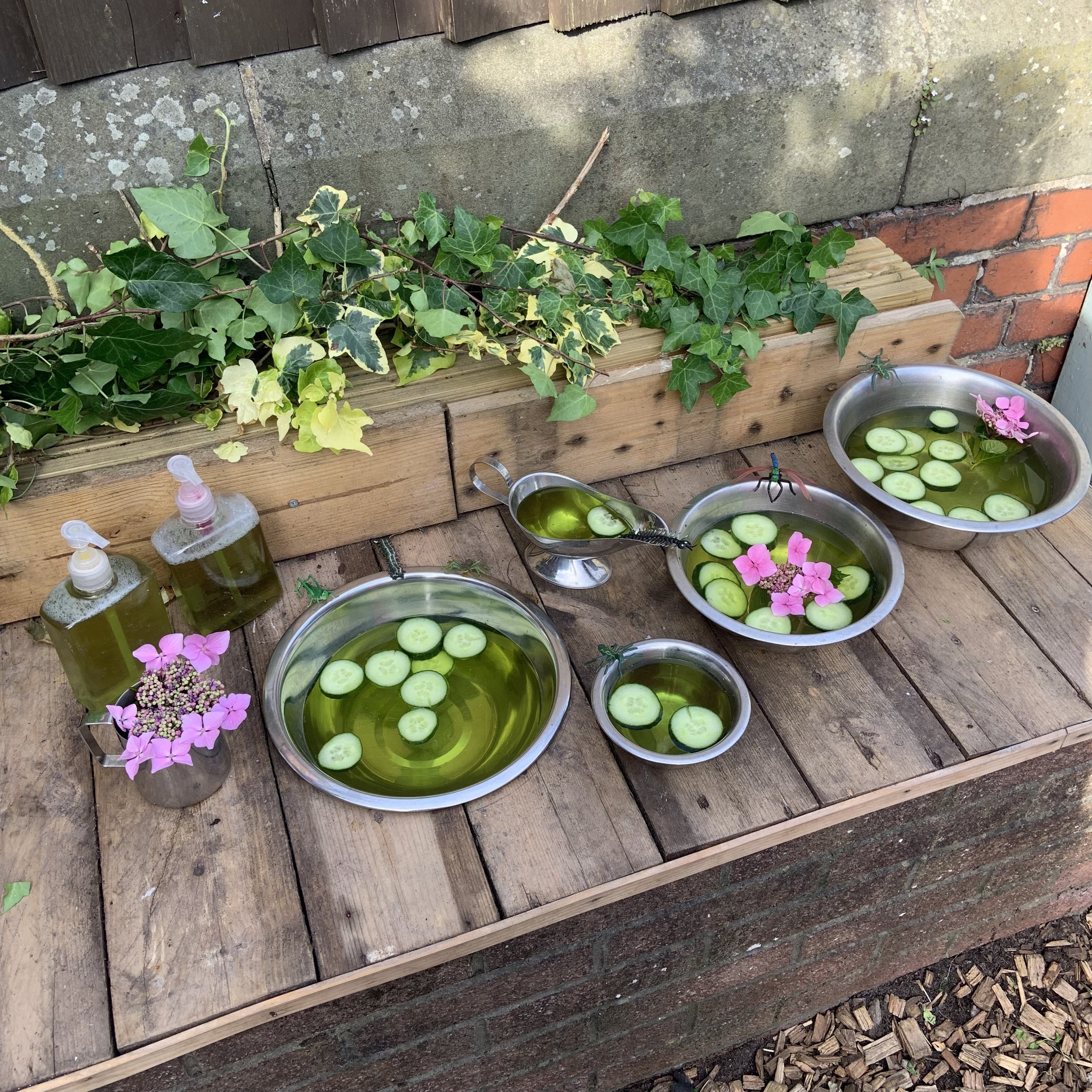
I believe some of the richest learning happens beyond the classroom walls. Outdoor learning gives children the opportunity to explore, investigate, create and collaborate in ways that nurture curiosity and independence.
Time spent outdoors supports physical development, communication skills, wellbeing and resilience, while also encouraging children to develop a deeper understanding of the world around them.
Research consistently shows that children learn best when they are actively engaged and outdoor environments provide endless opportunities for meaningful, hands-on experiences. According to UNICEF, “children have better physical, mental and emotional health, and even improved learning, when they play outdoors.”
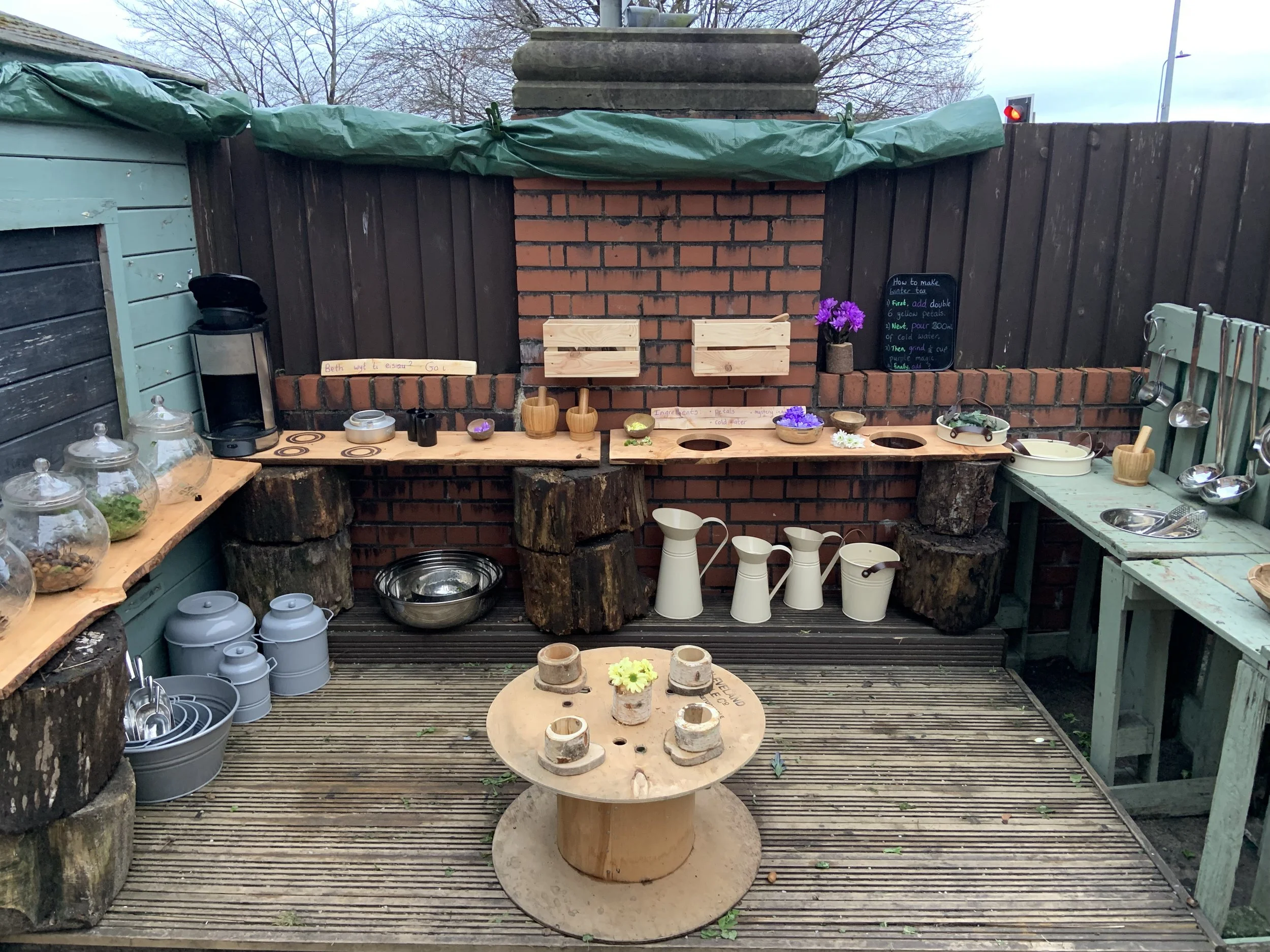
Communication and Social Skills
Outdoor environments encourage children to talk, collaborate and problem-solve together. Shared activities help to develop speaking, listening, cooperation and positive social interaction skills.
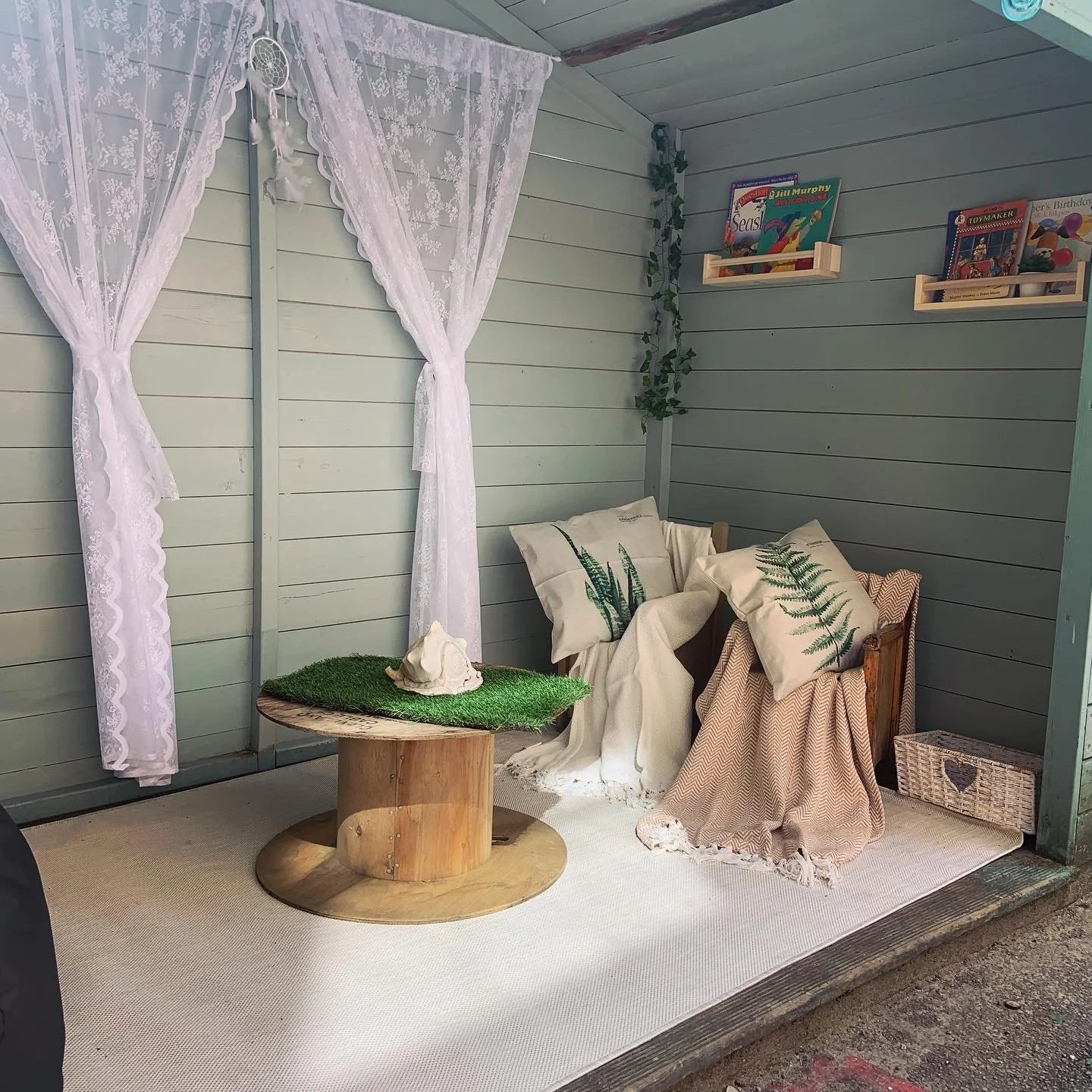
Emotional Well being
Outdoor learning helps children build resilience, independence and self-belief. Trying new activities and overcoming challenges encourages perseverance and a positive attitude towards learning.
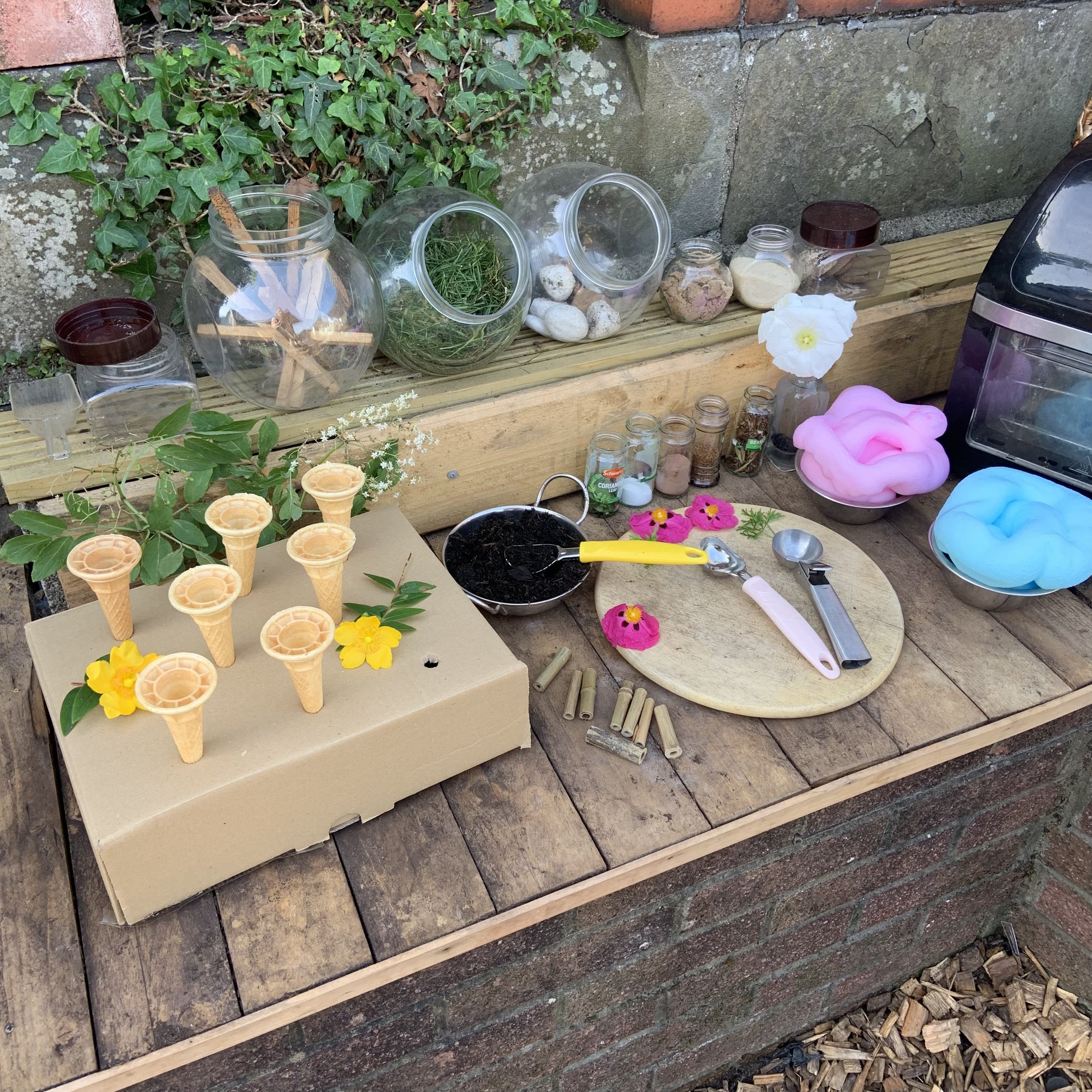
Physical Development
Outdoor learning gives children the space to move freely and develop physically. Large-scale movement strengthens coordination, balance and core muscles, while activities such as digging, building and mark-making also support fine motor development.
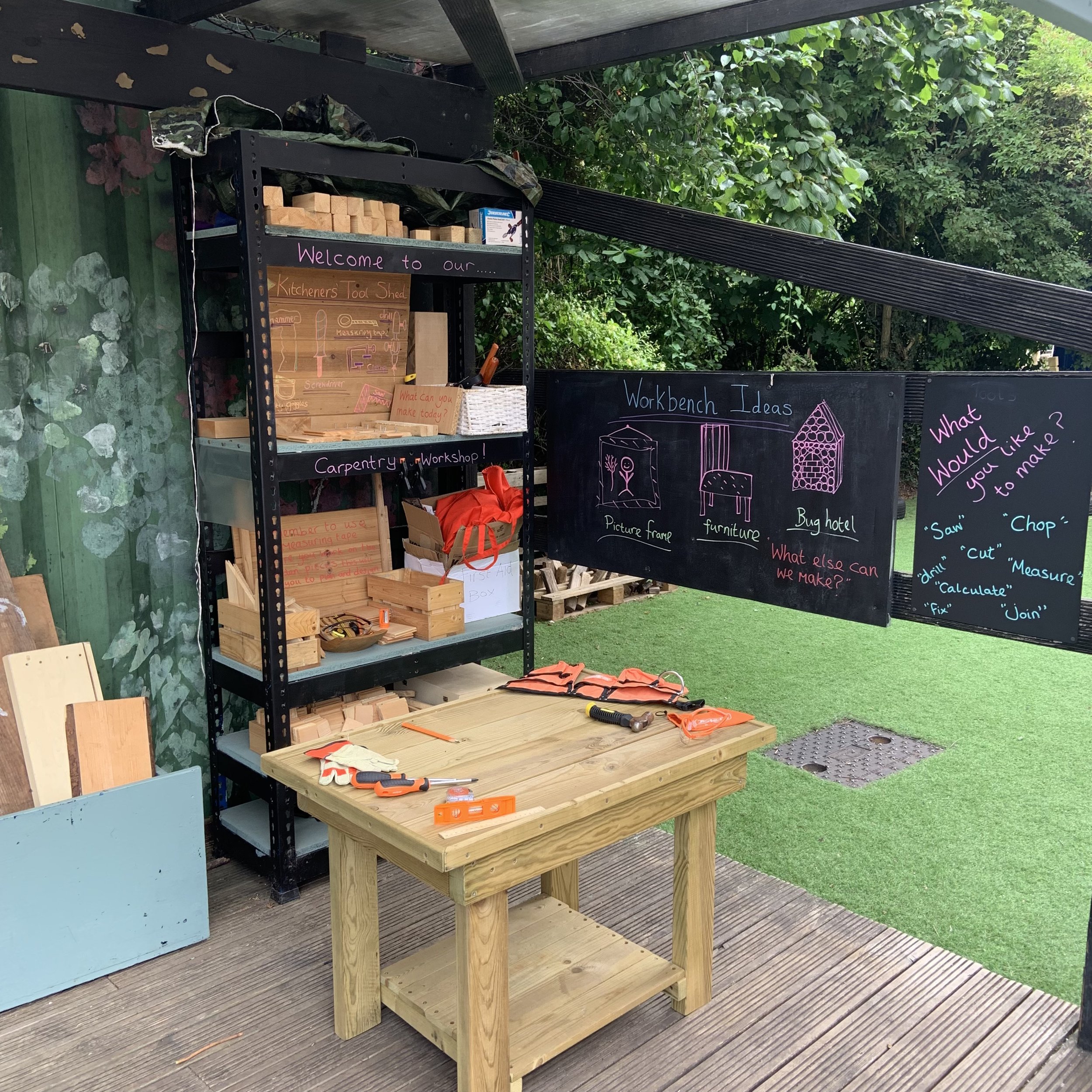
Curiosity and Creativity
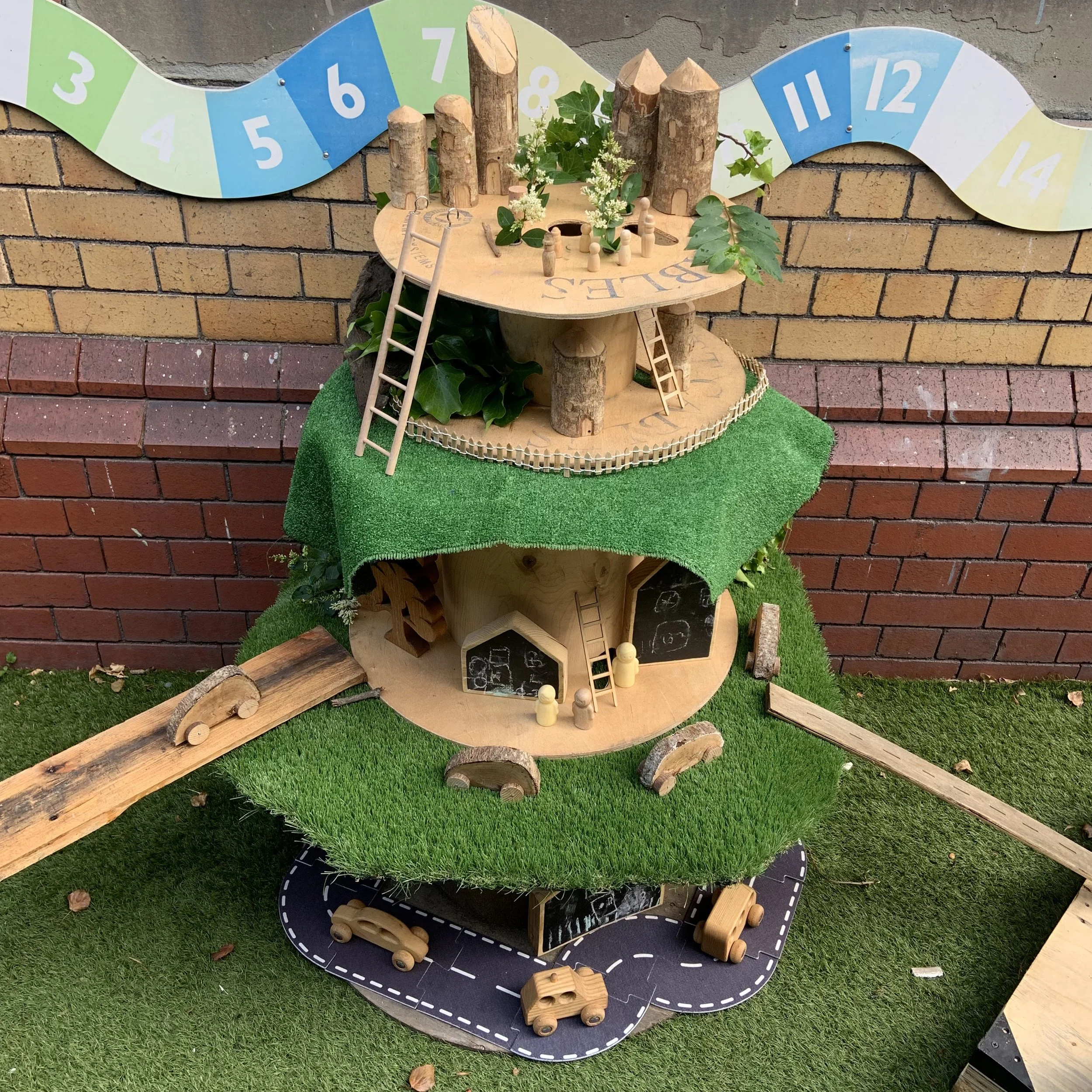
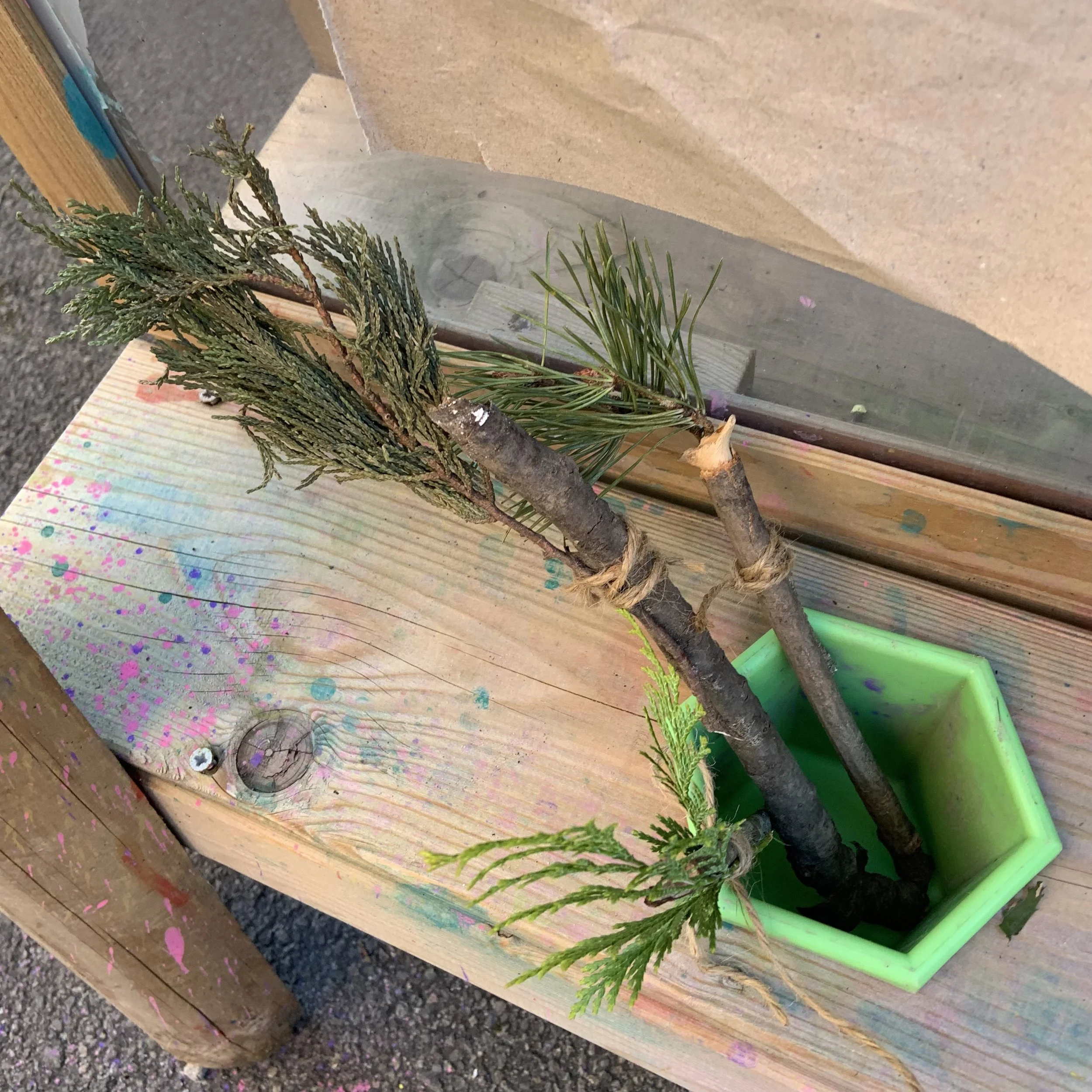
Outdoor spaces inspire imagination, exploration and hands-on learning. Open-ended play and natural materials encourage children to ask questions, investigate and think creatively.
Year 2 Outdoor Provision
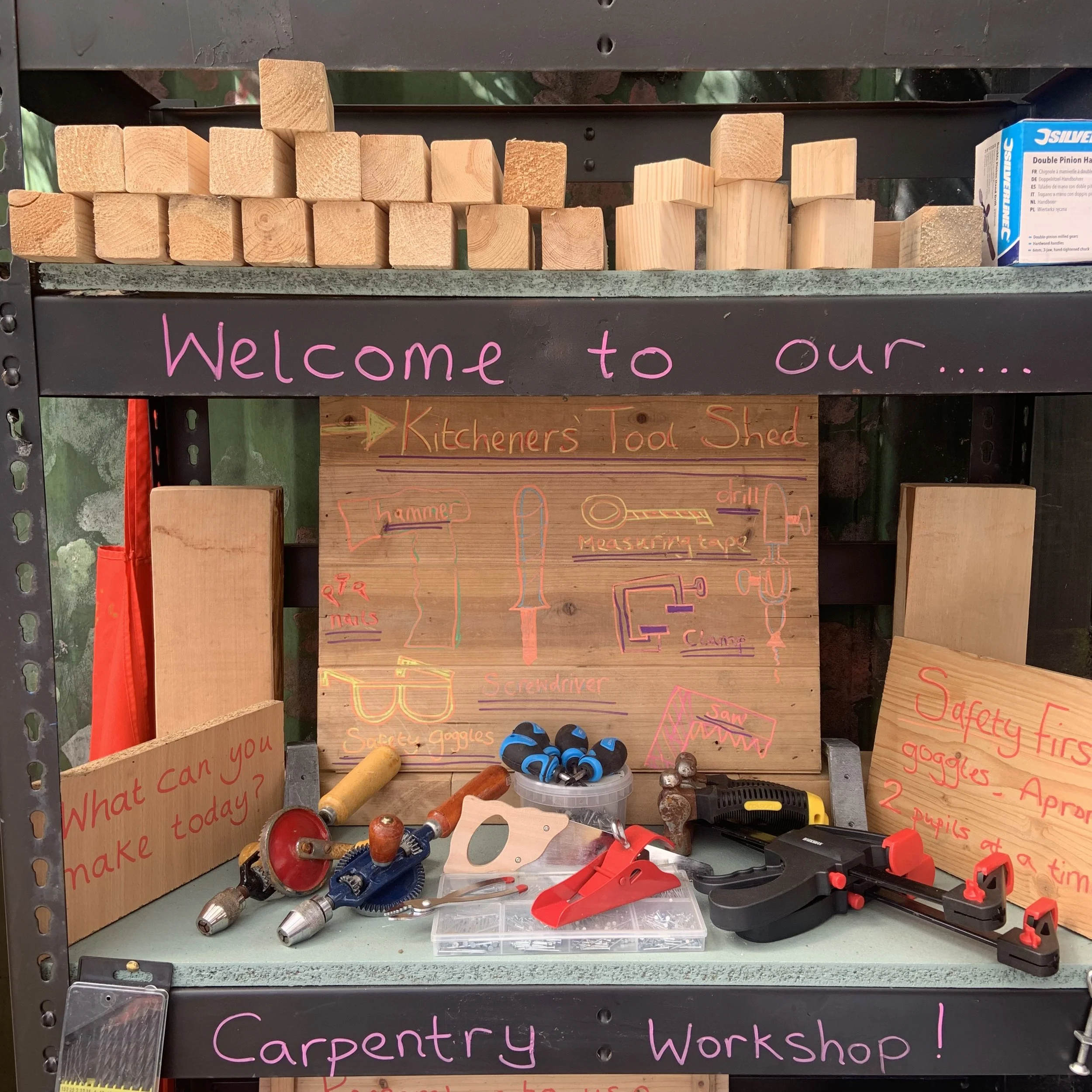
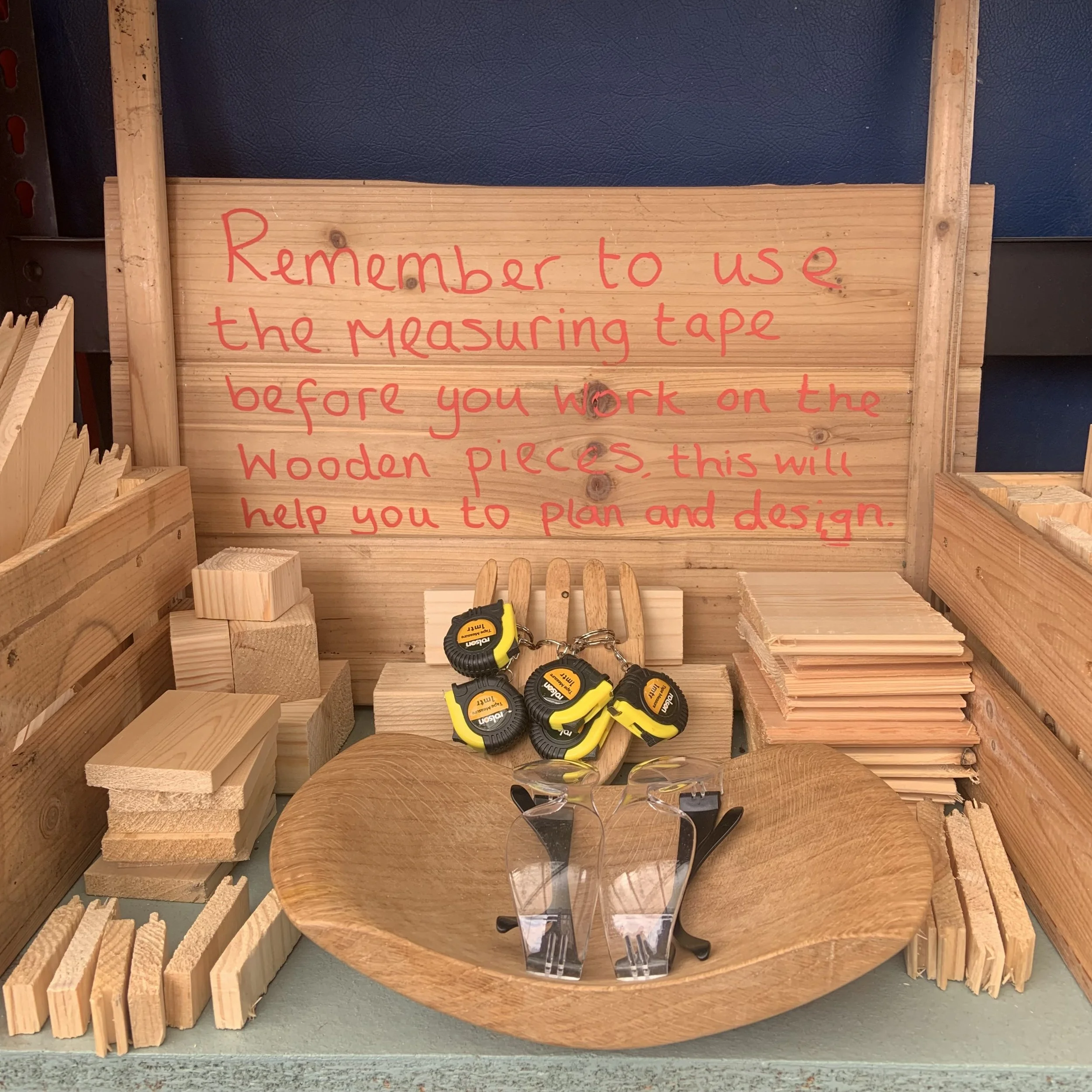
Workshop:
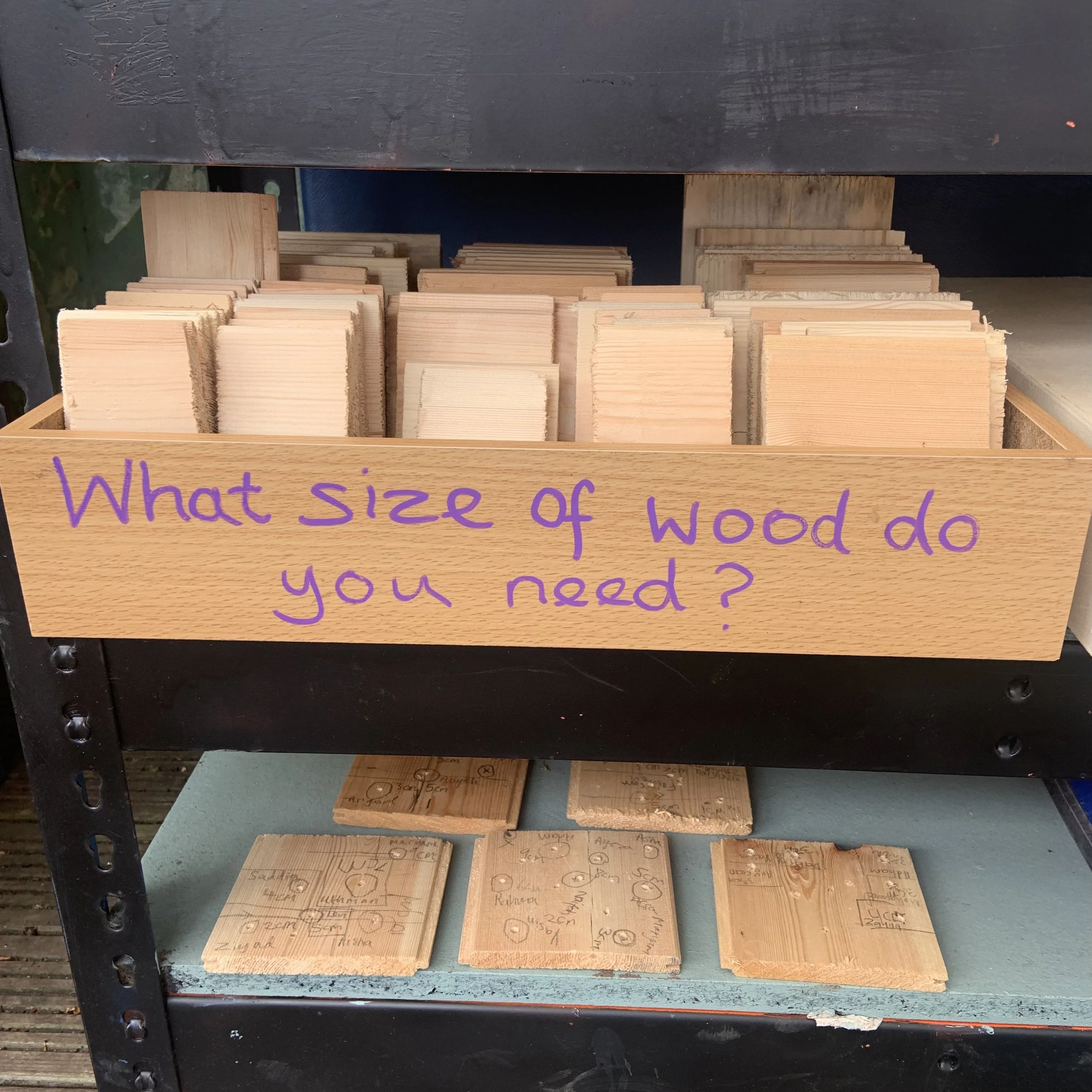
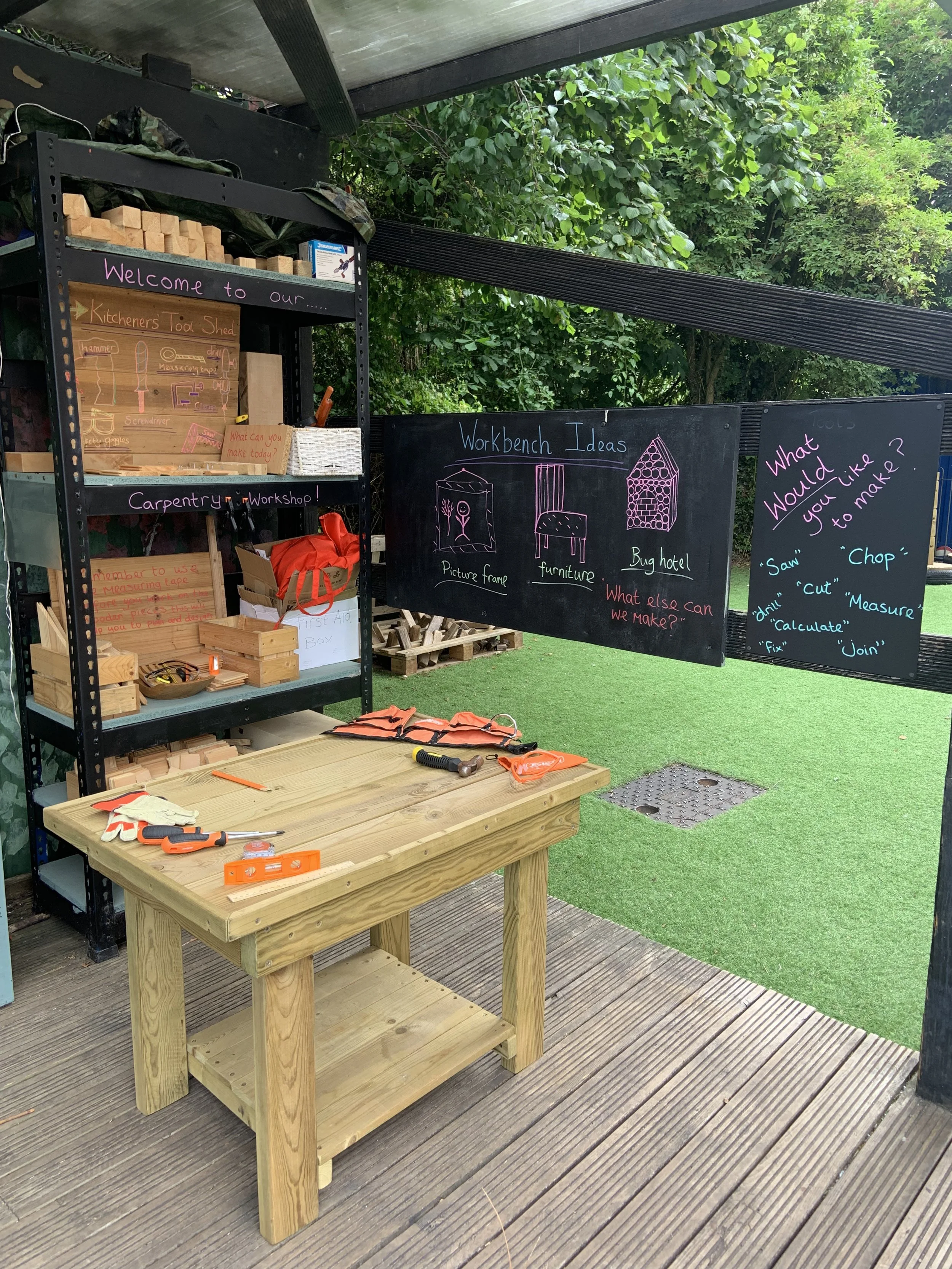
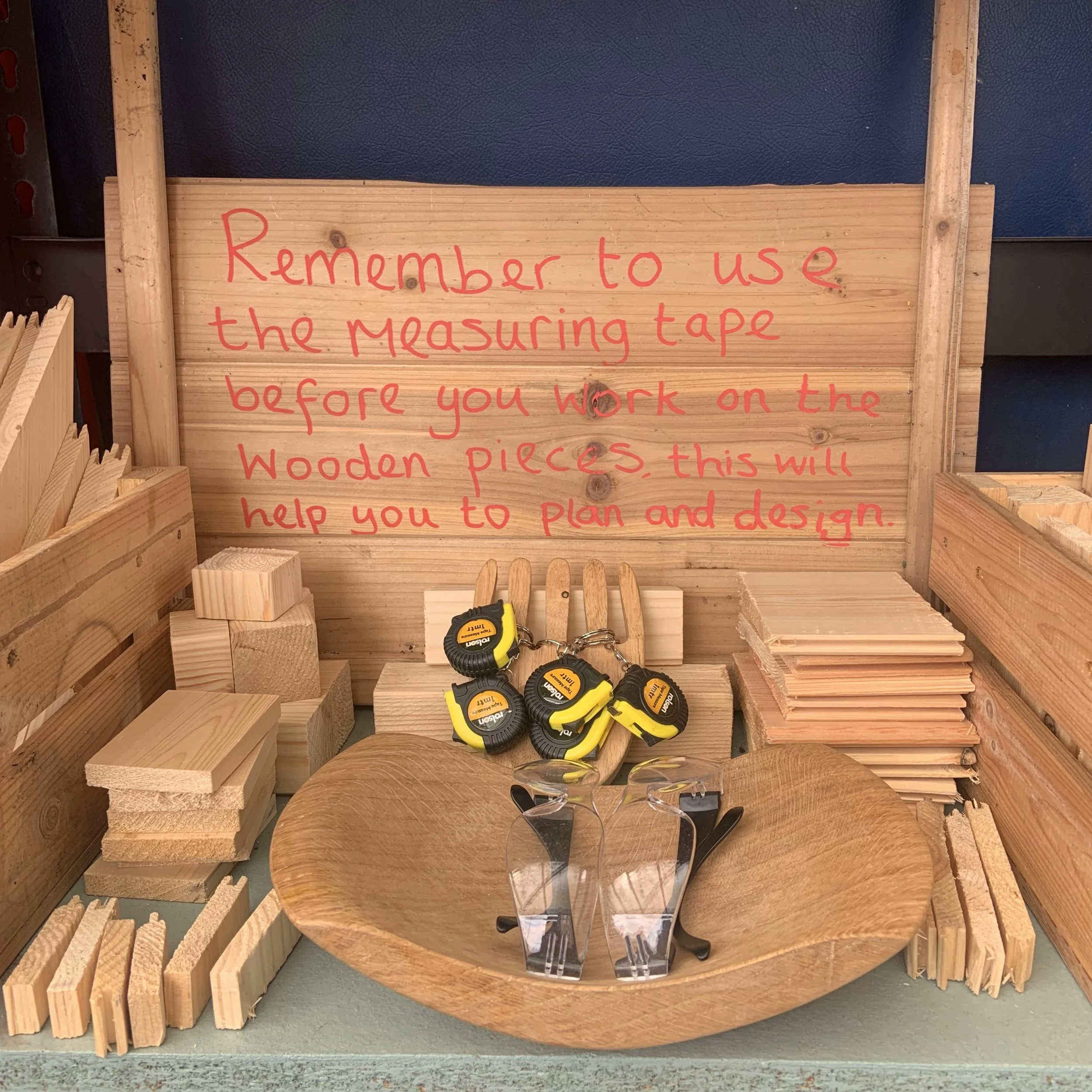
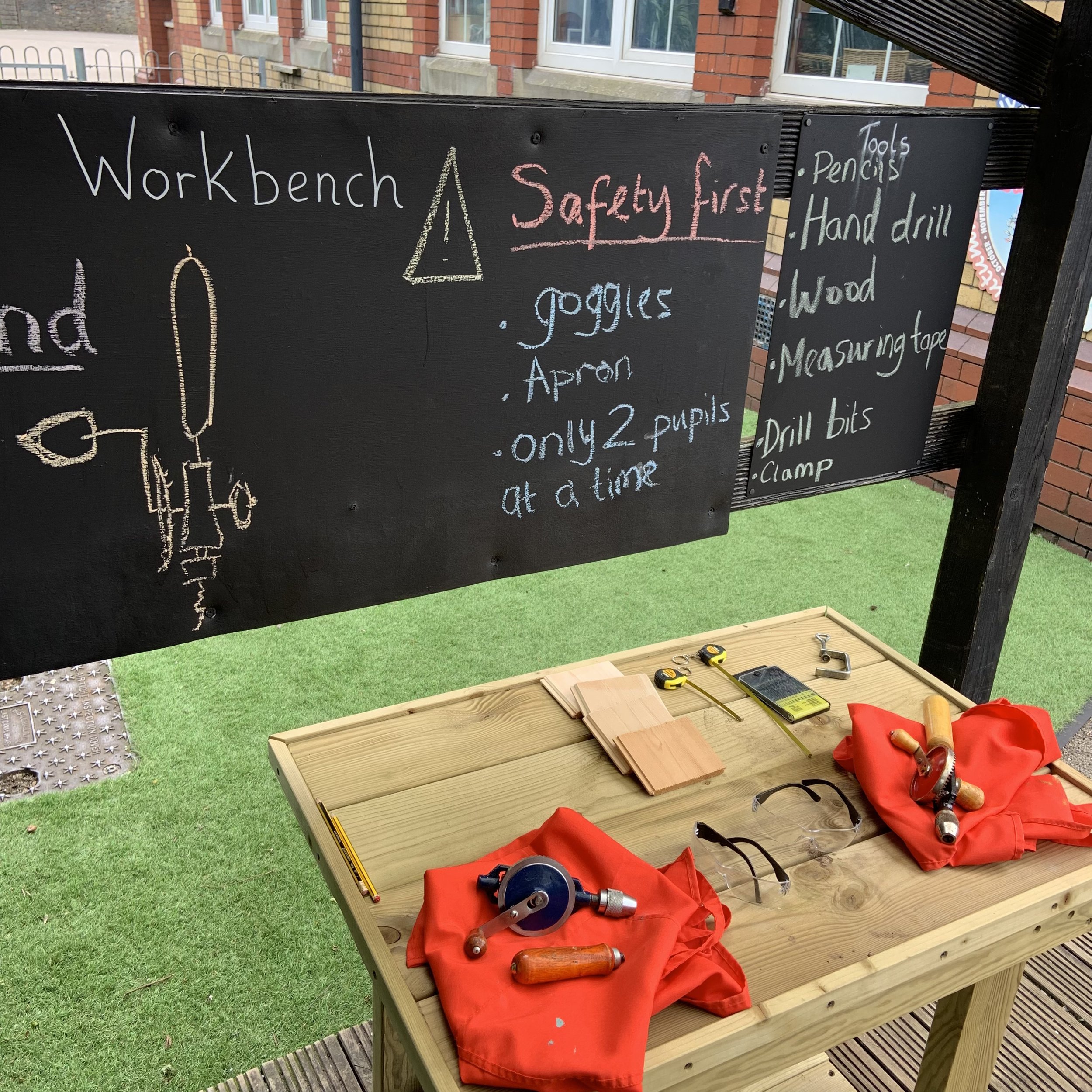
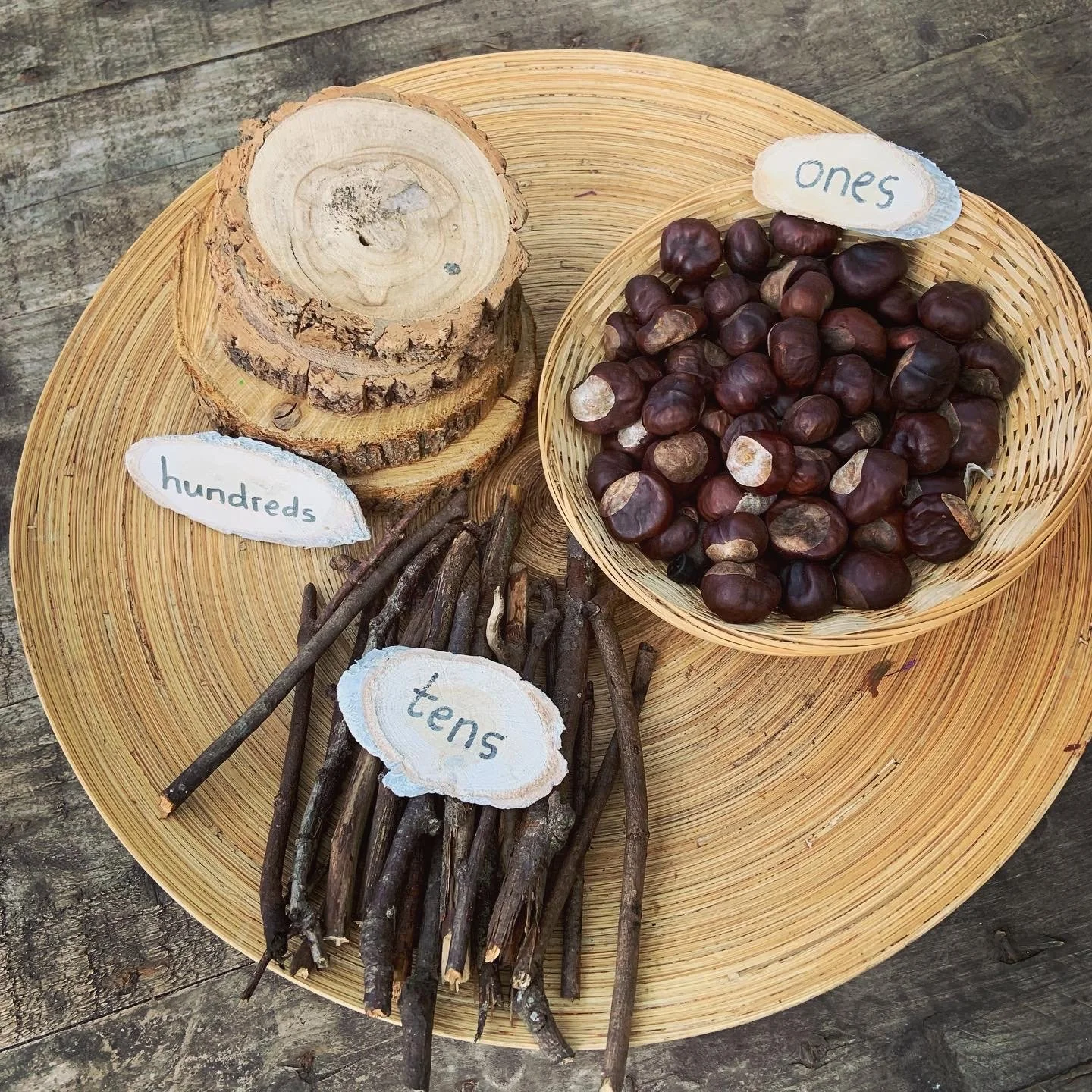
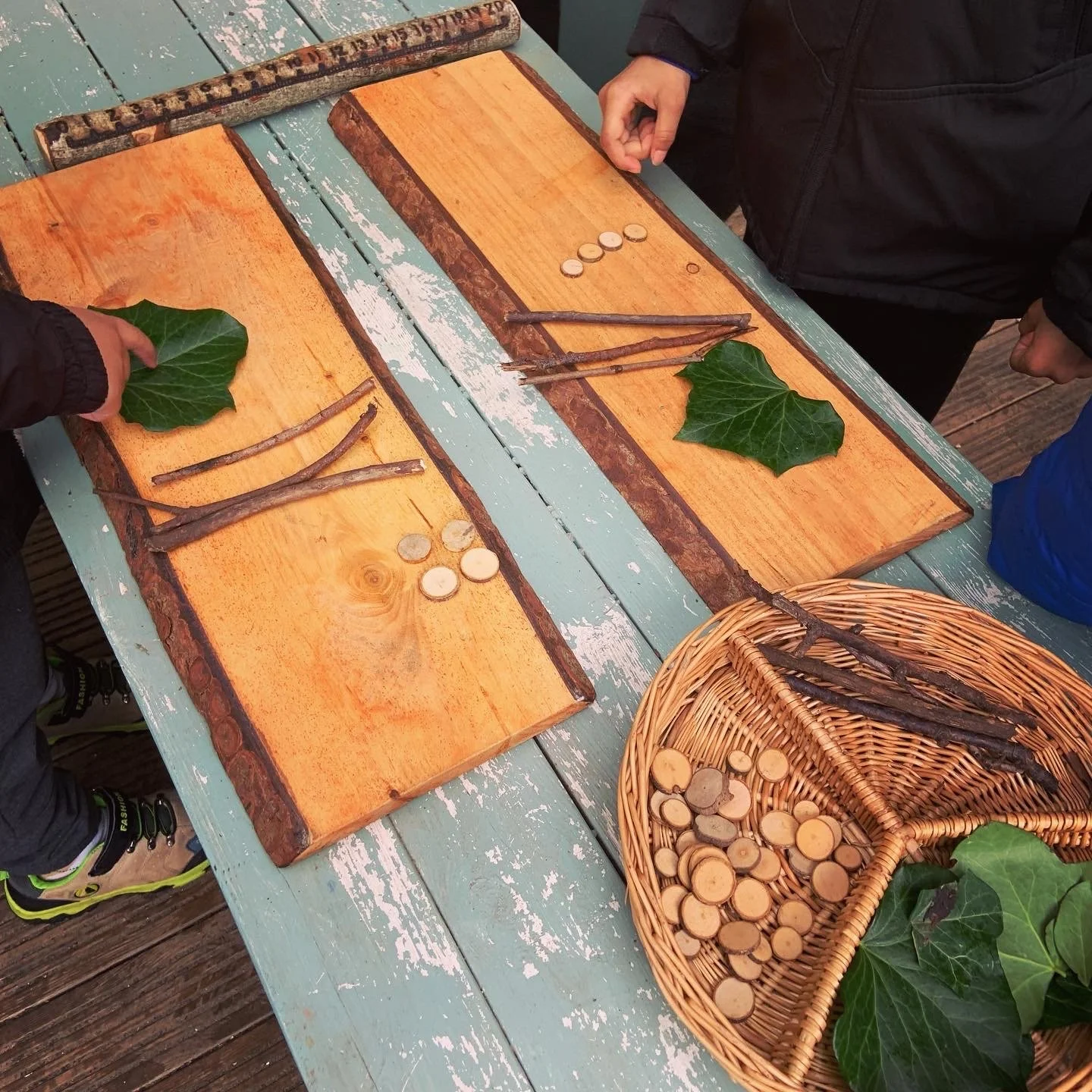
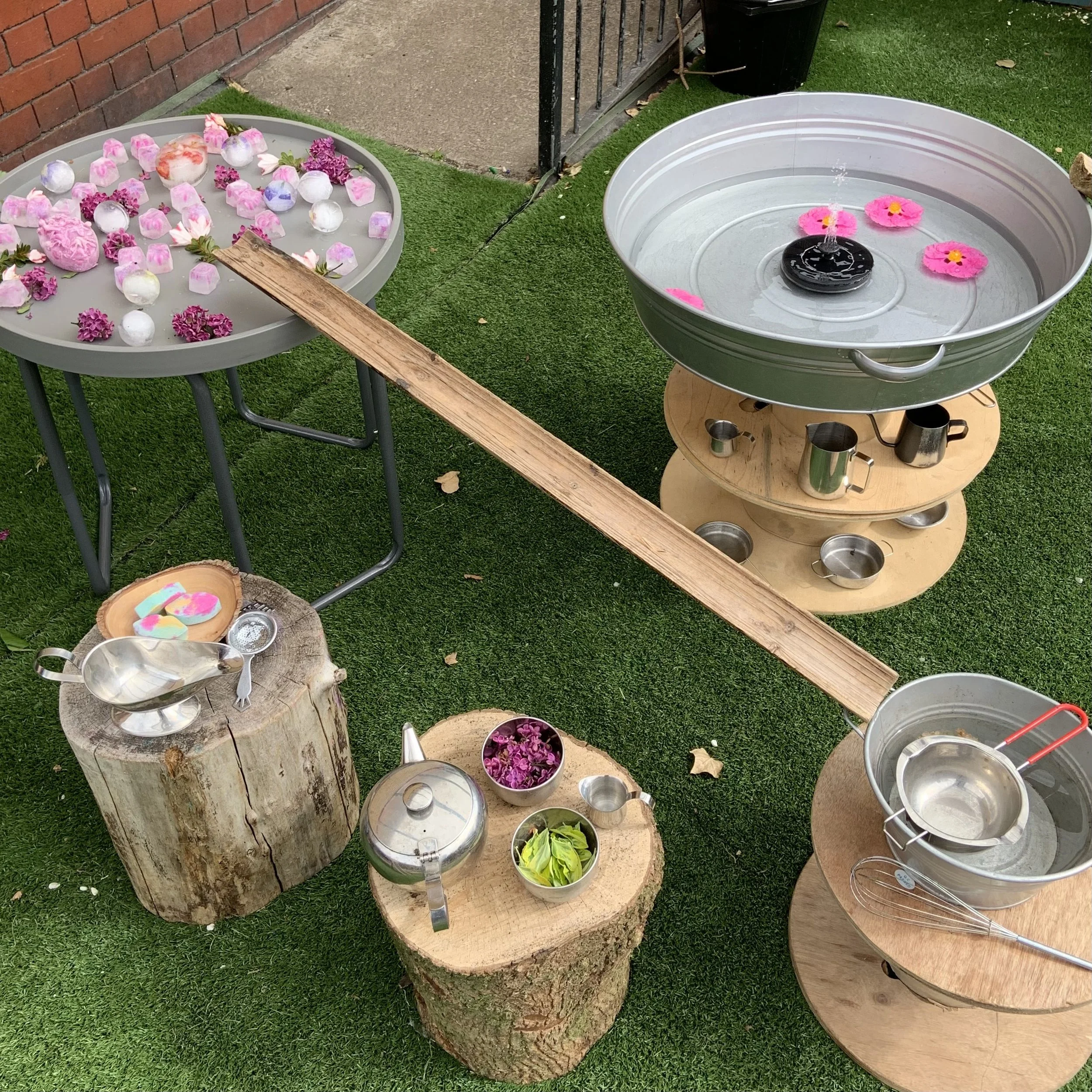
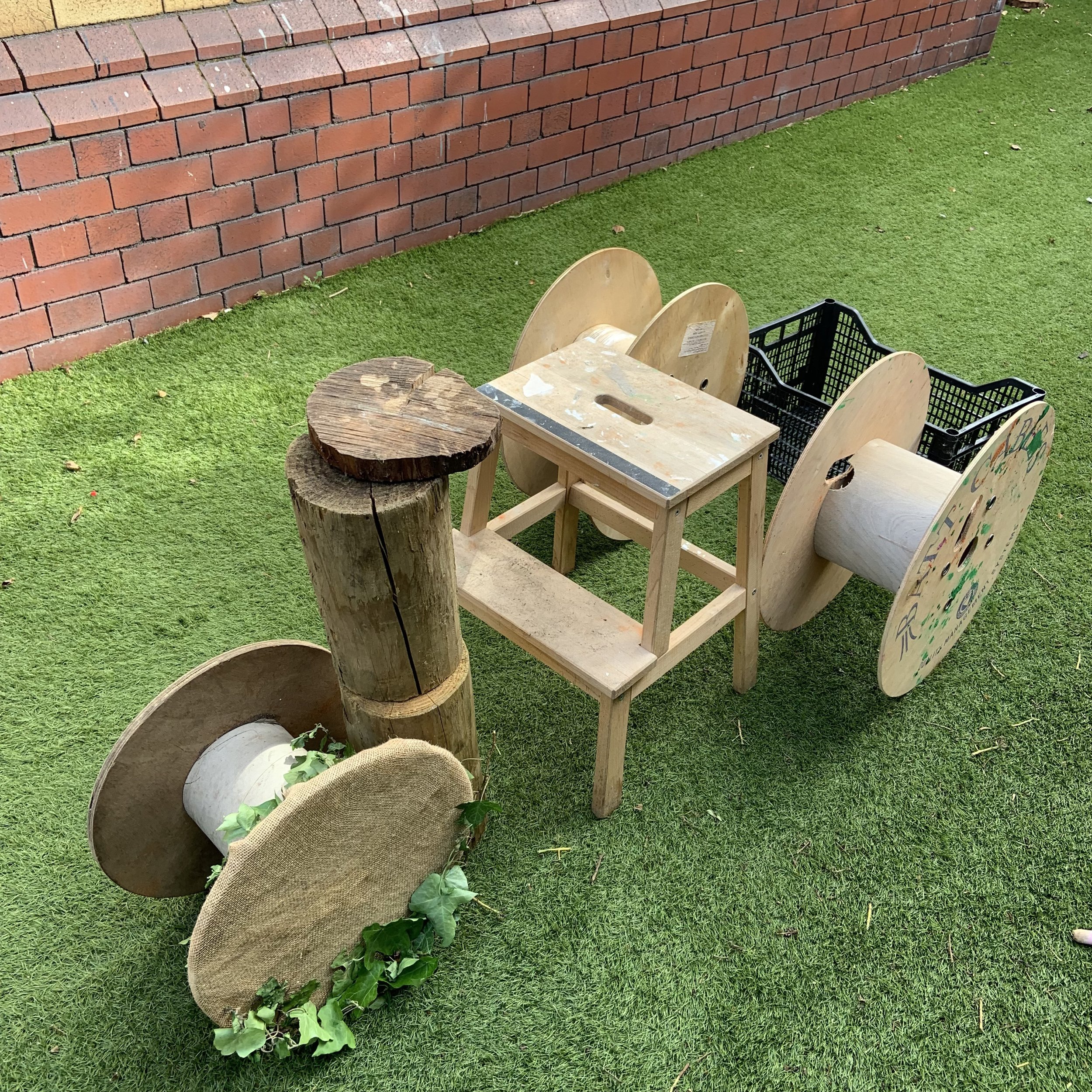
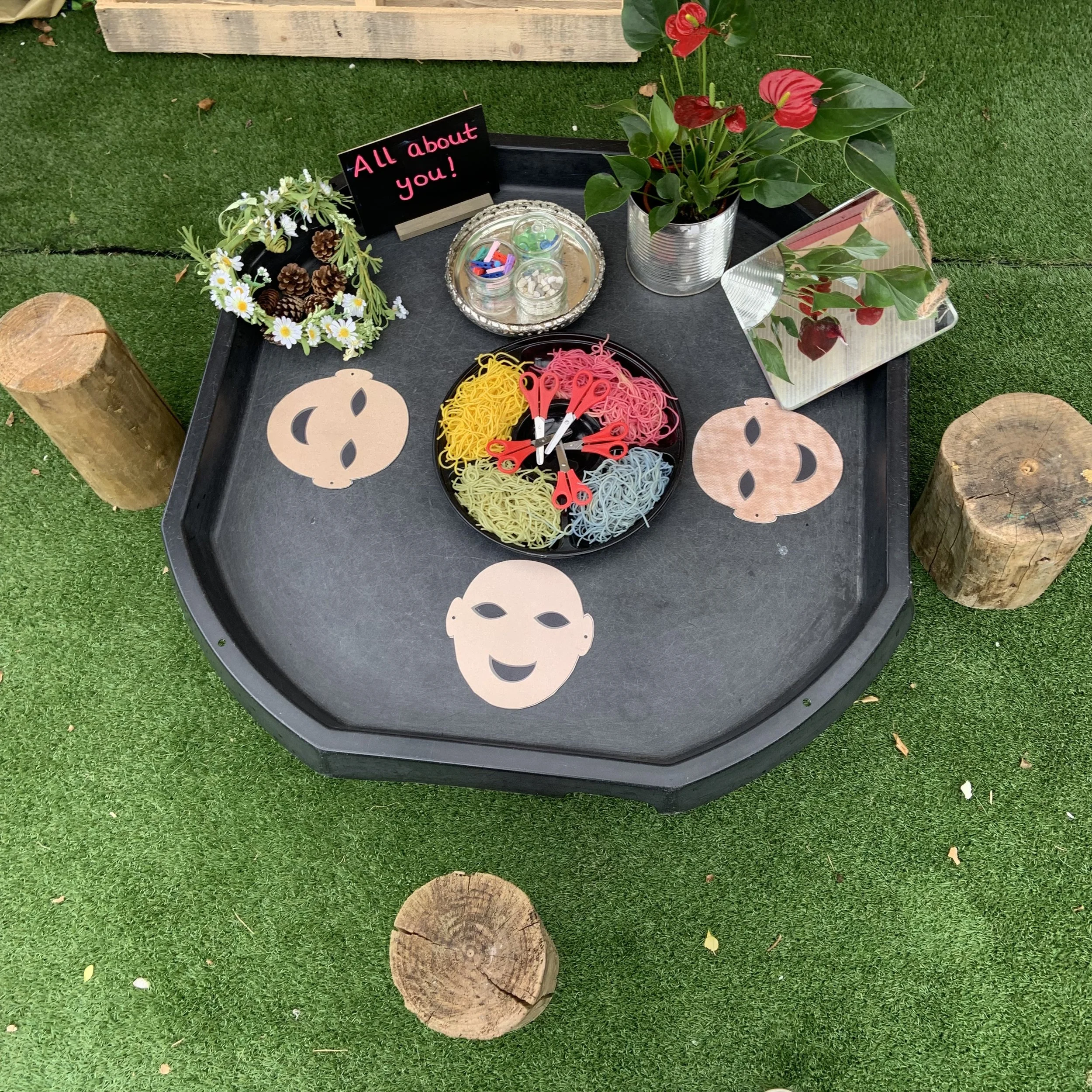
Increased enhanced provision:
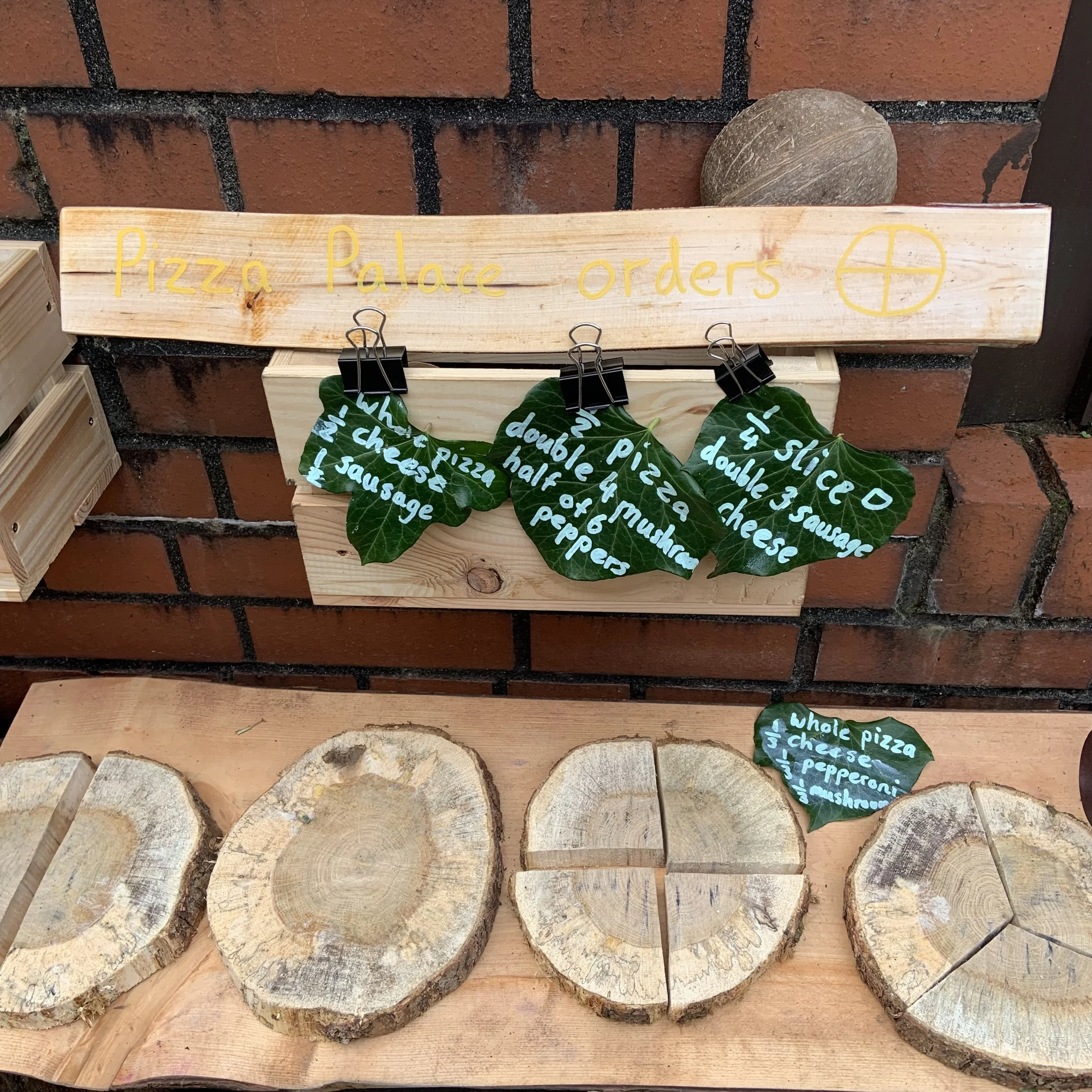
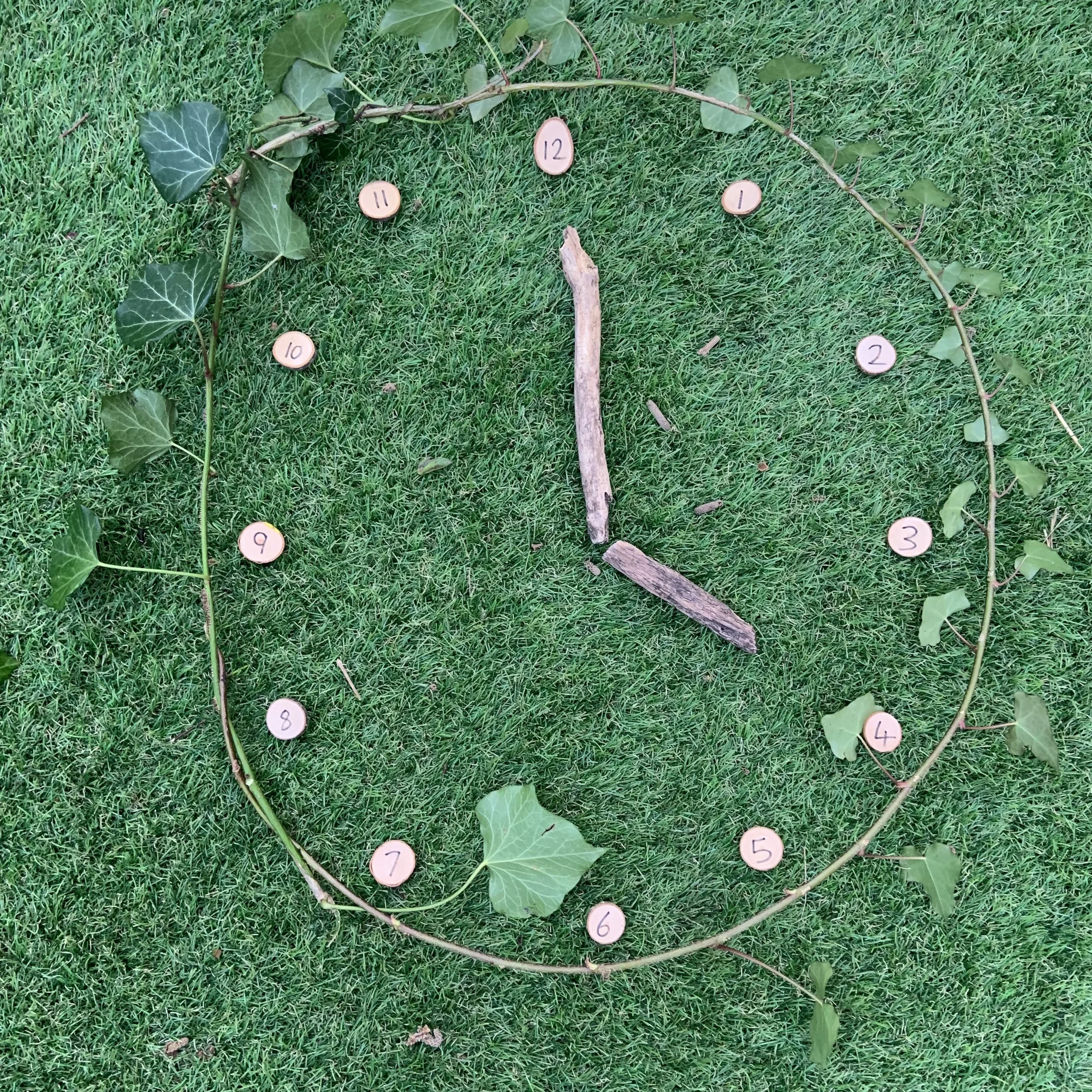
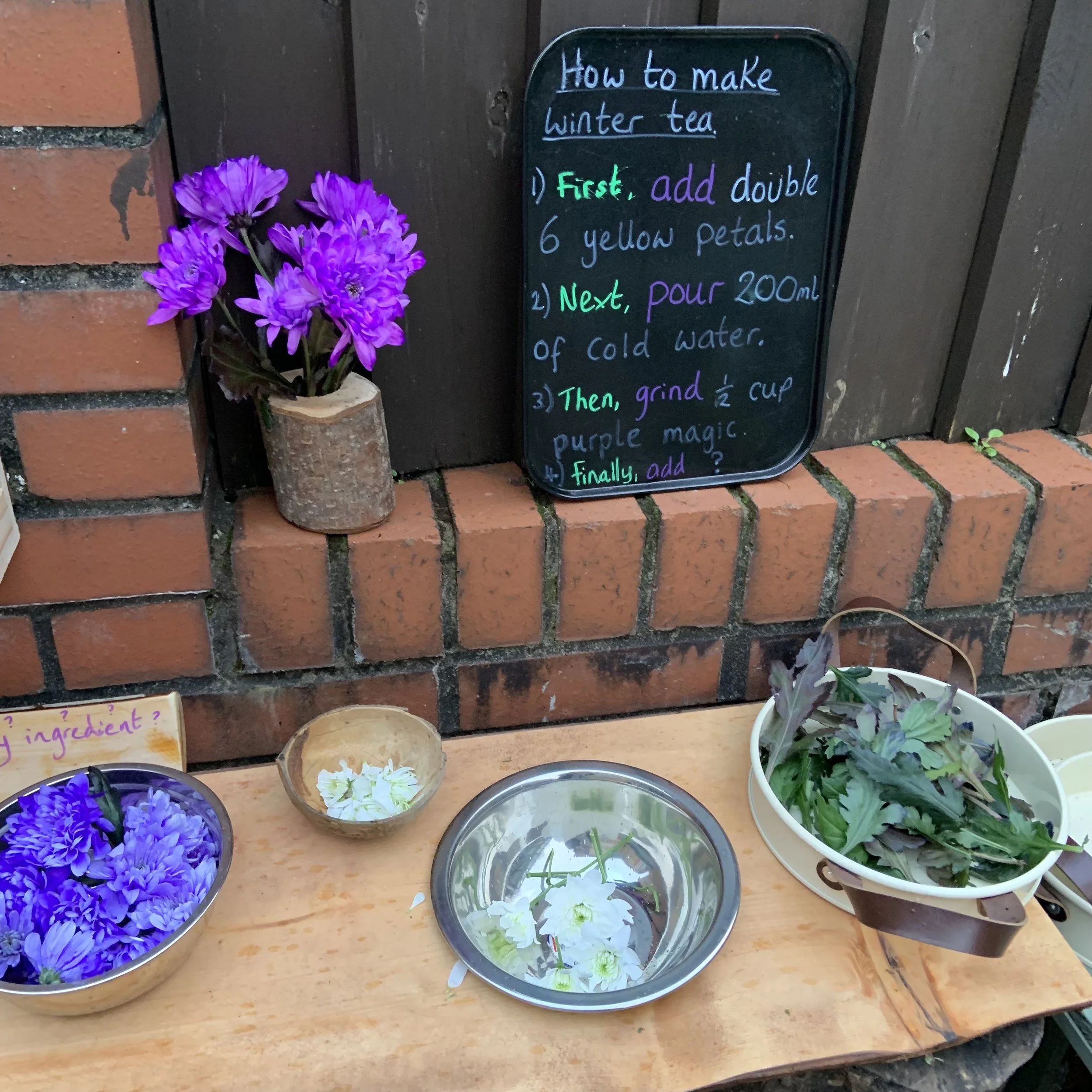
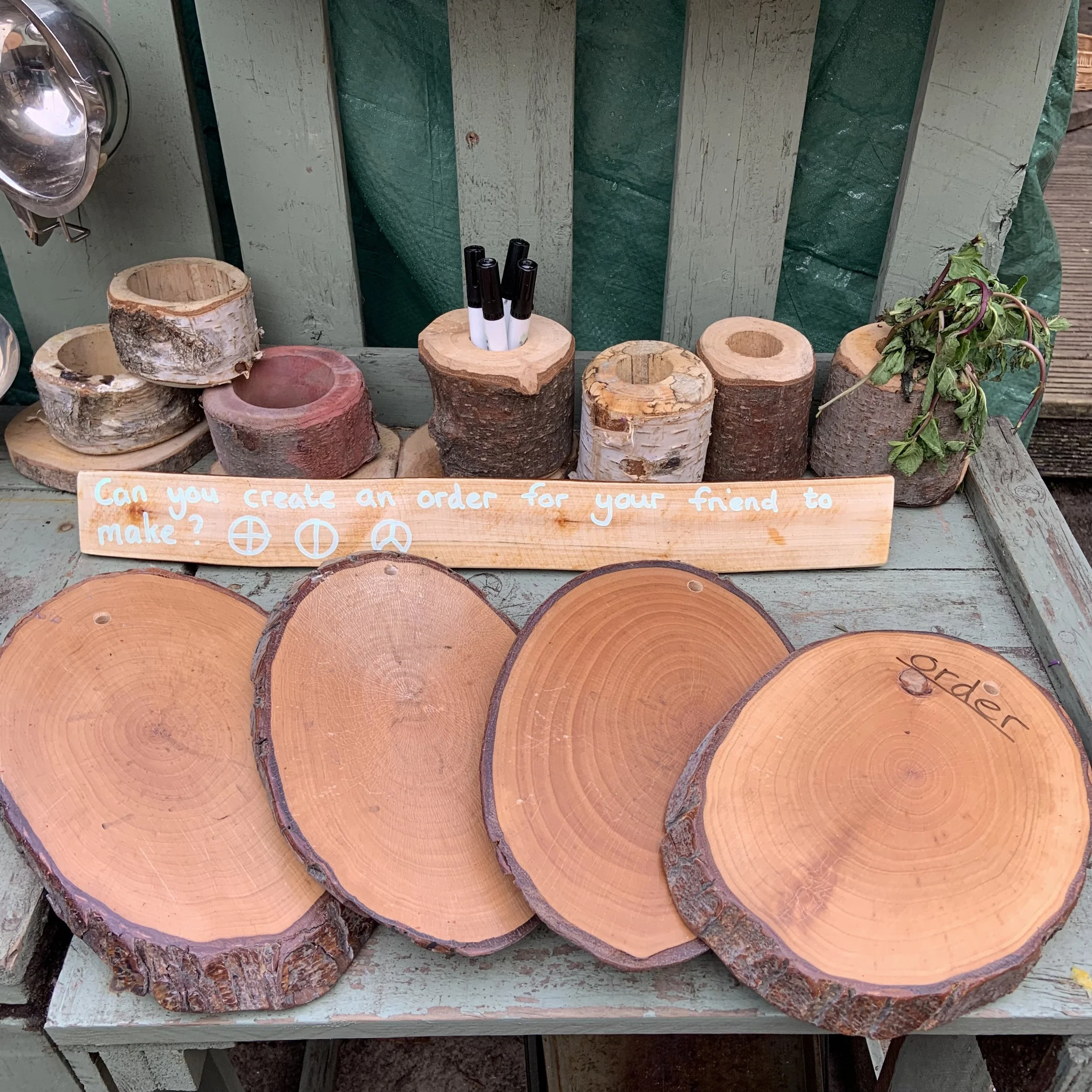
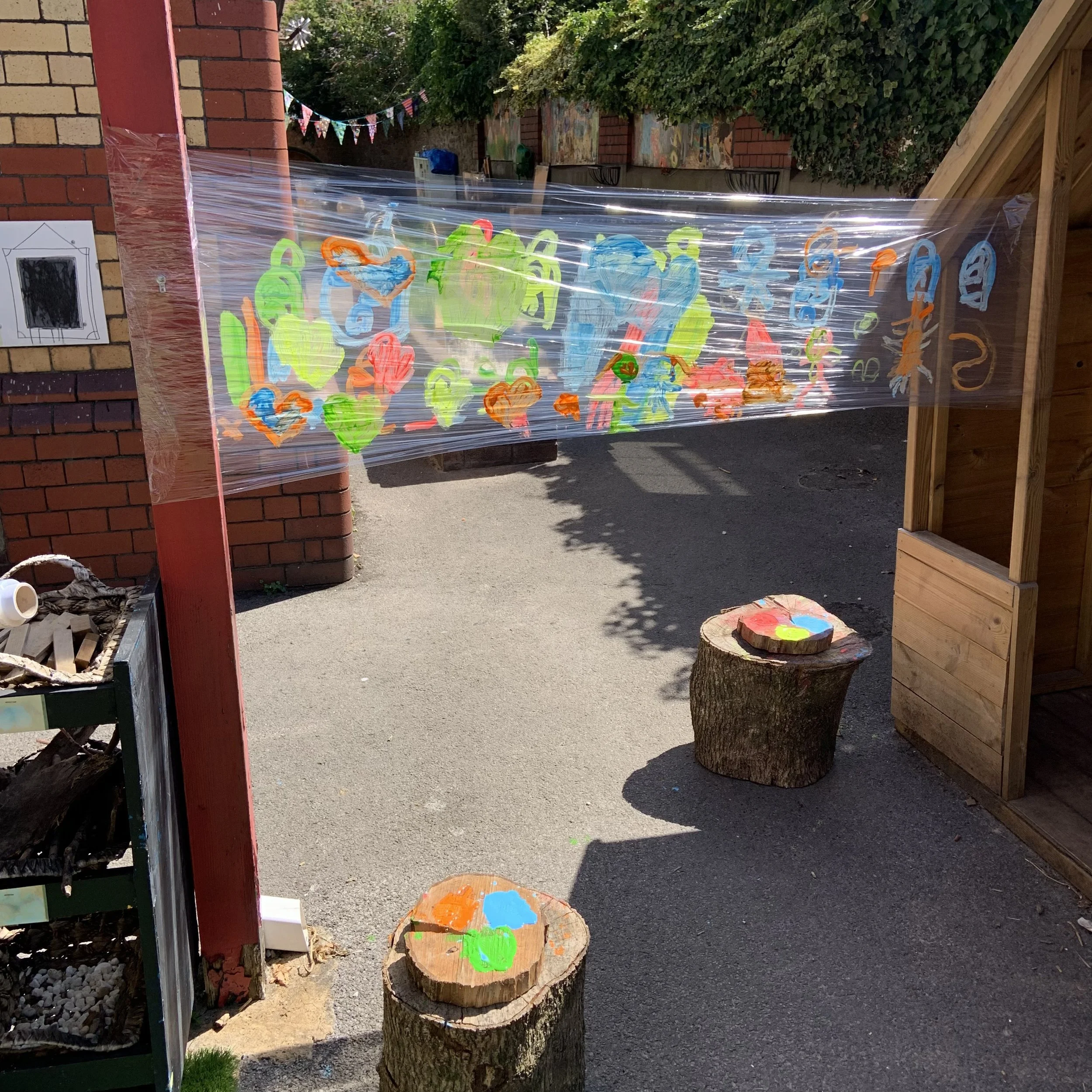
Once children reach Year 2, they continue to need daily access to outdoor learning opportunities. Provision may become more enhanced to develop specific skills such as problem-solving, teamwork and investigation, while still allowing time for den building, imaginative play and free exploration. A successful Year 2 outdoor environment balances structured learning with creativity, independence and child-led discovery.
Early Years Outdoor Provision
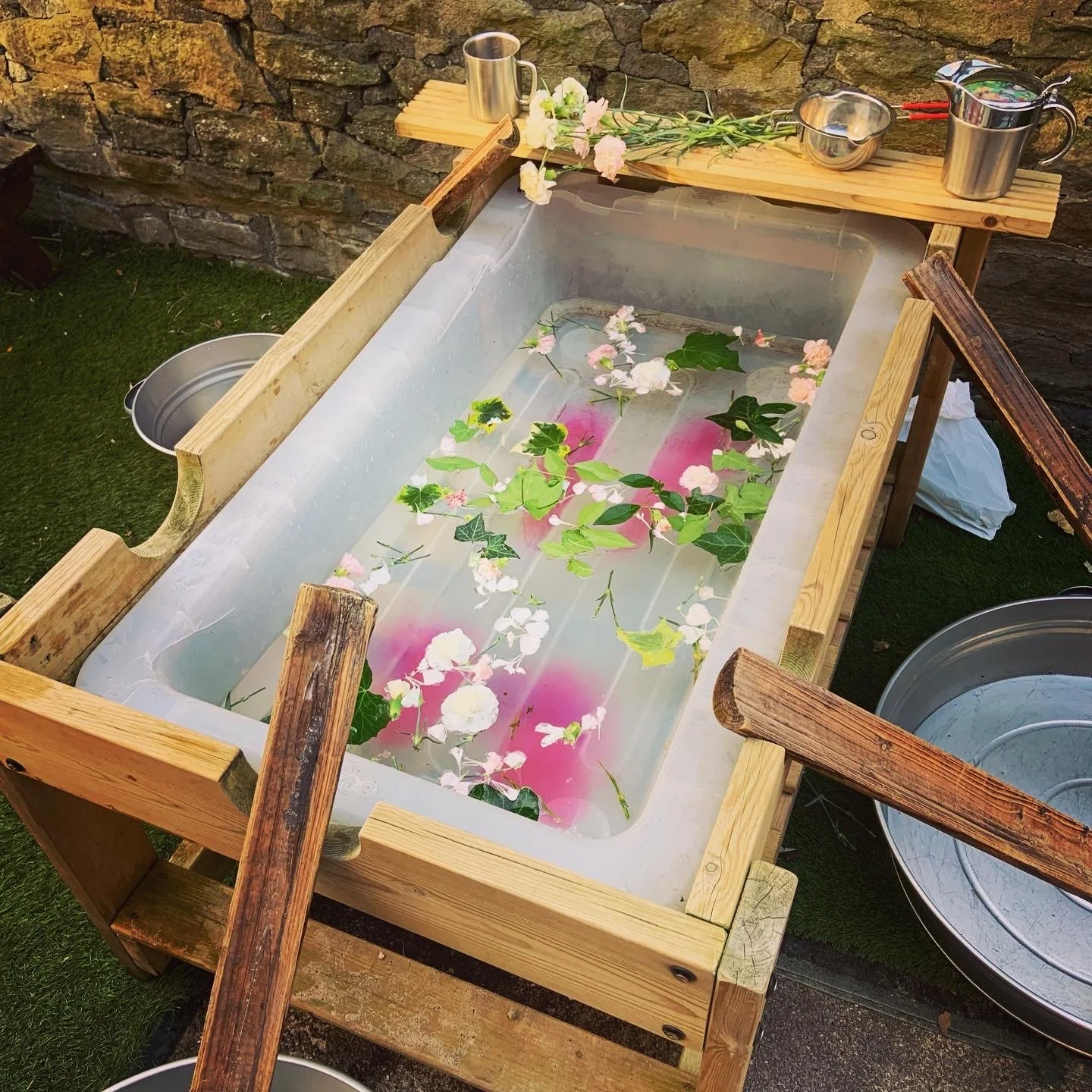
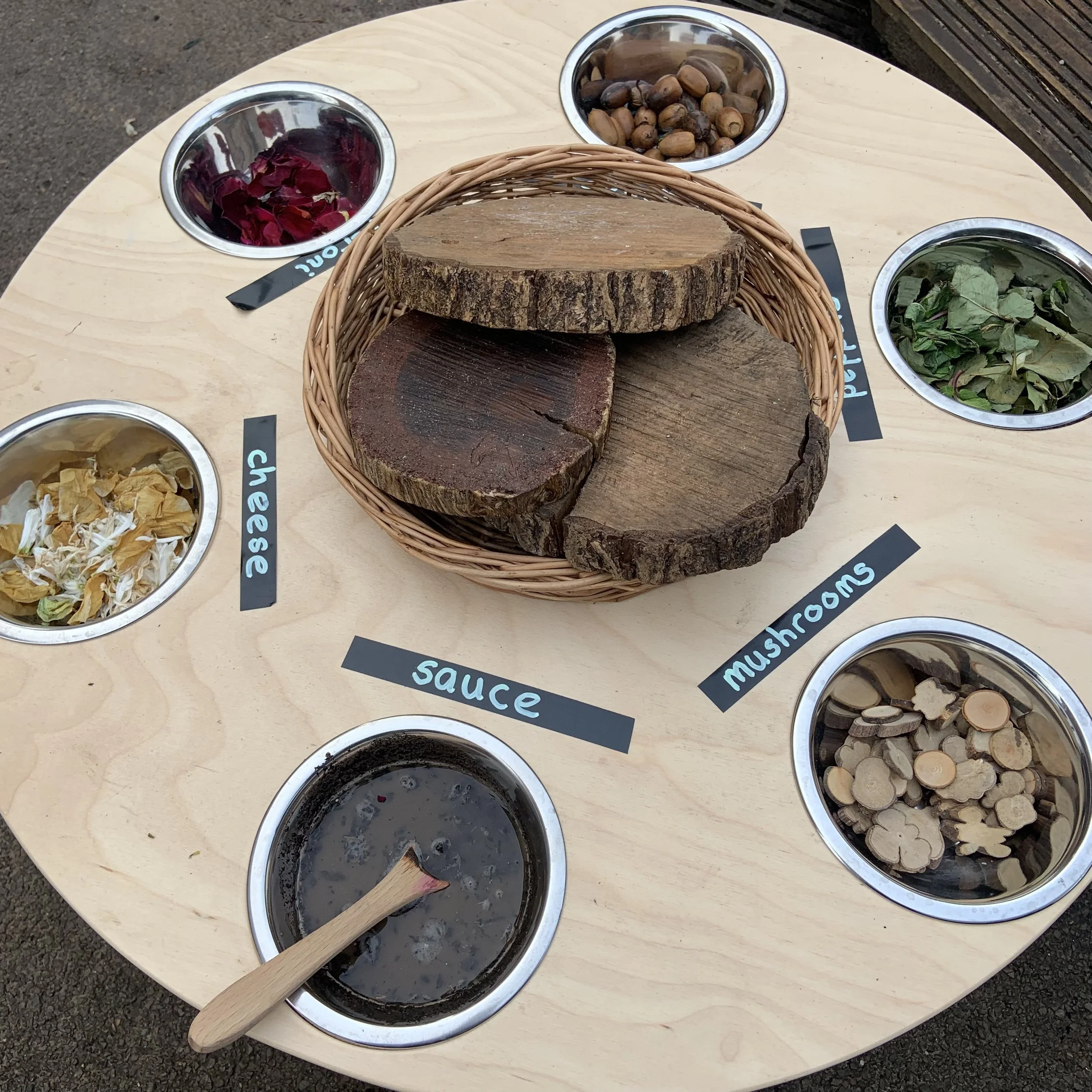
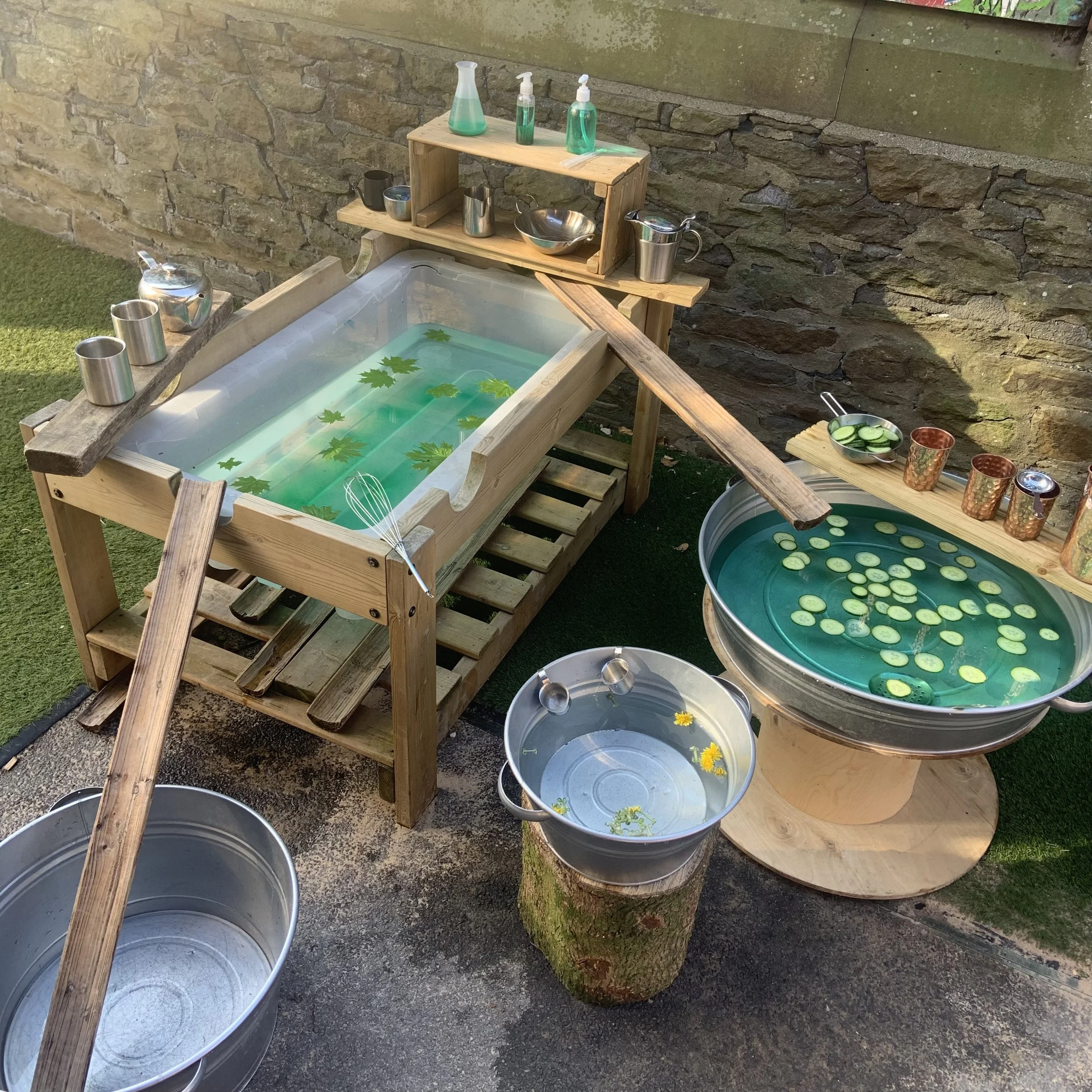
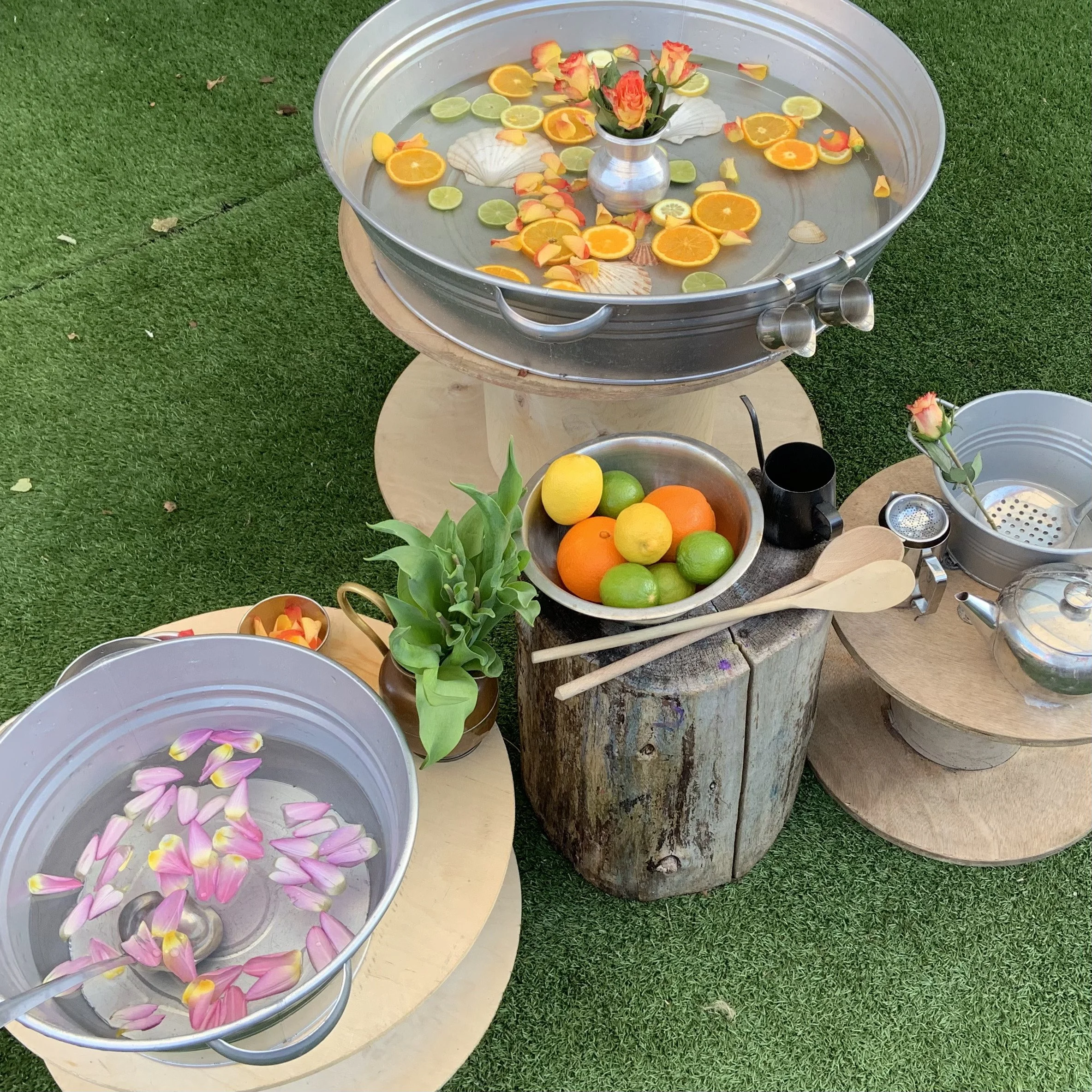
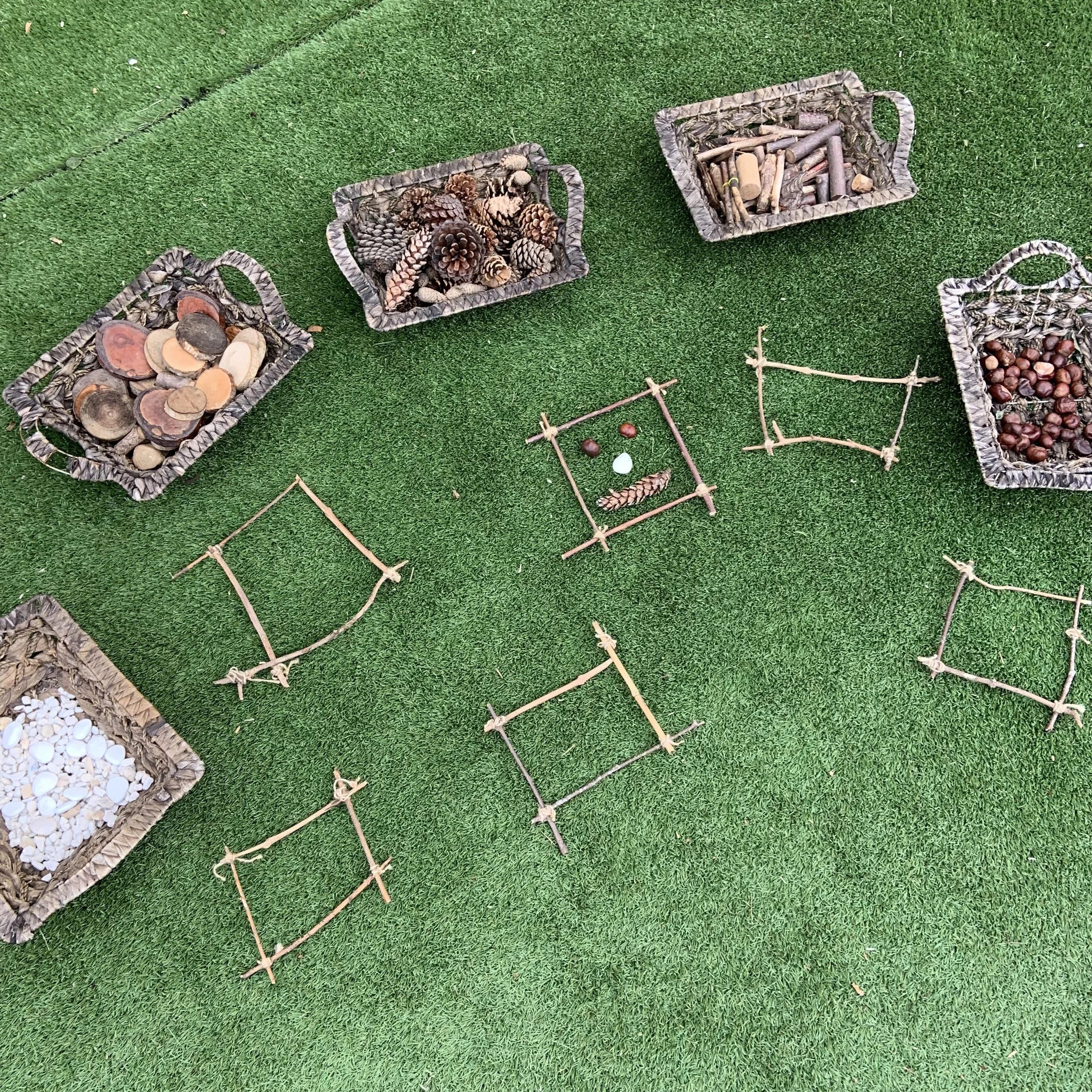
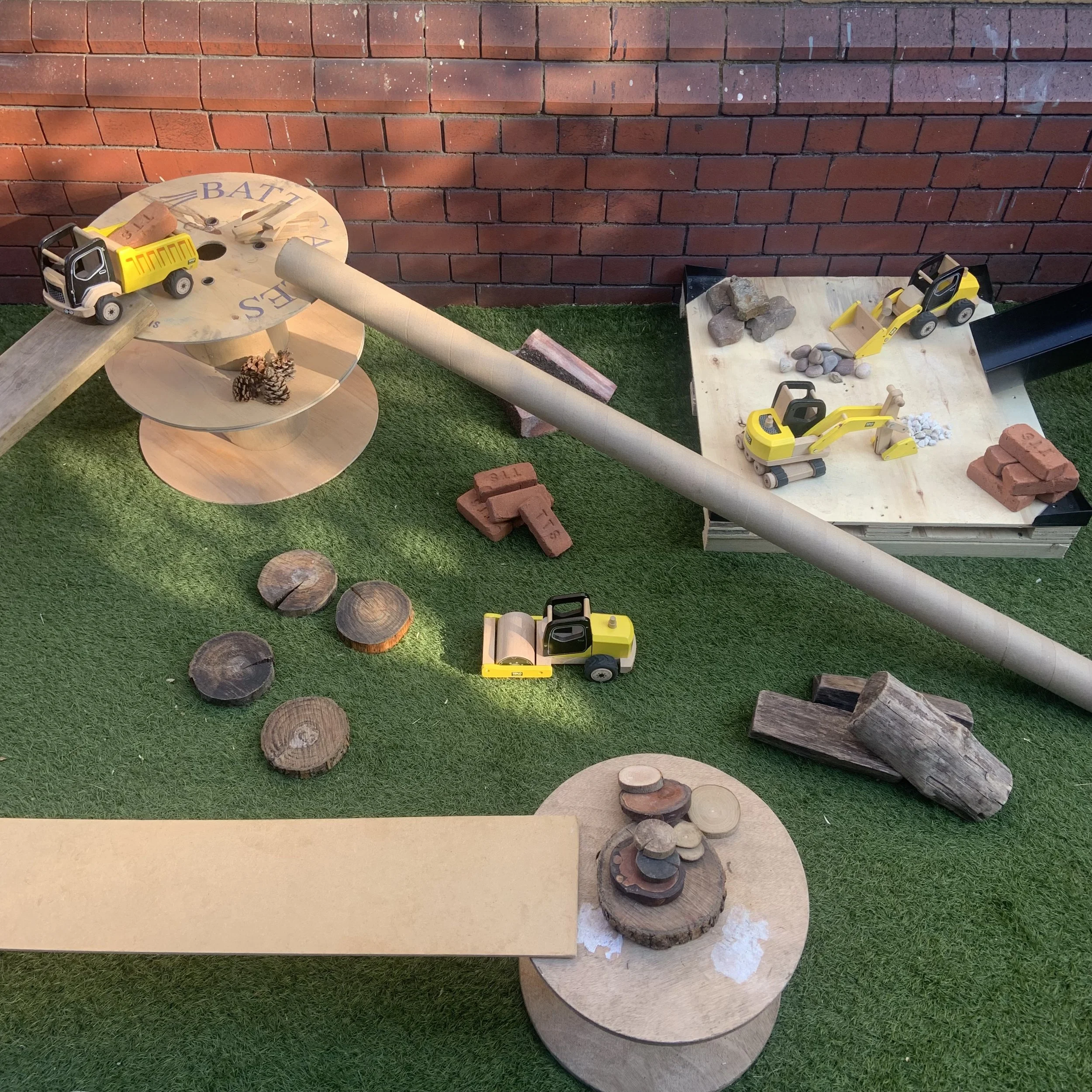
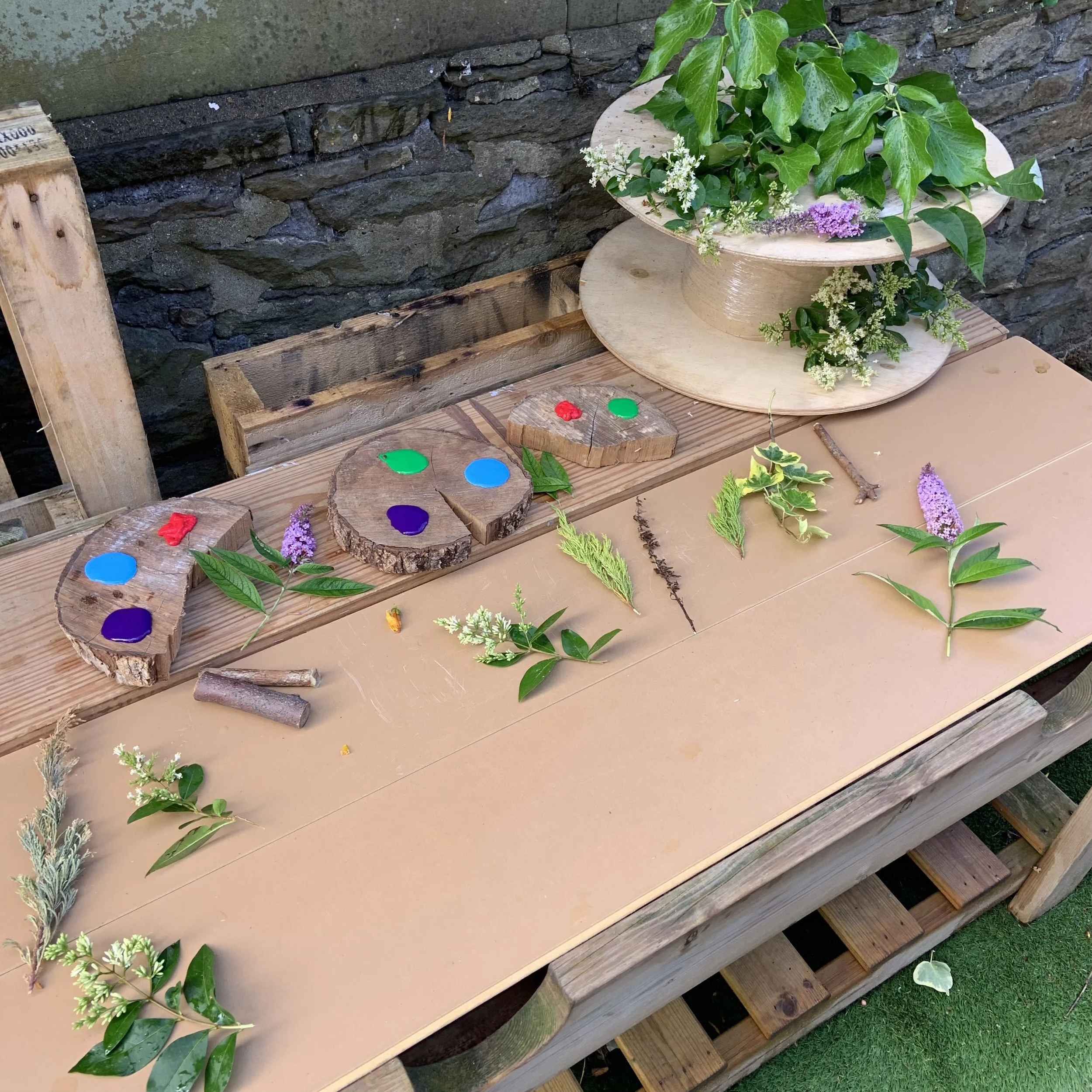
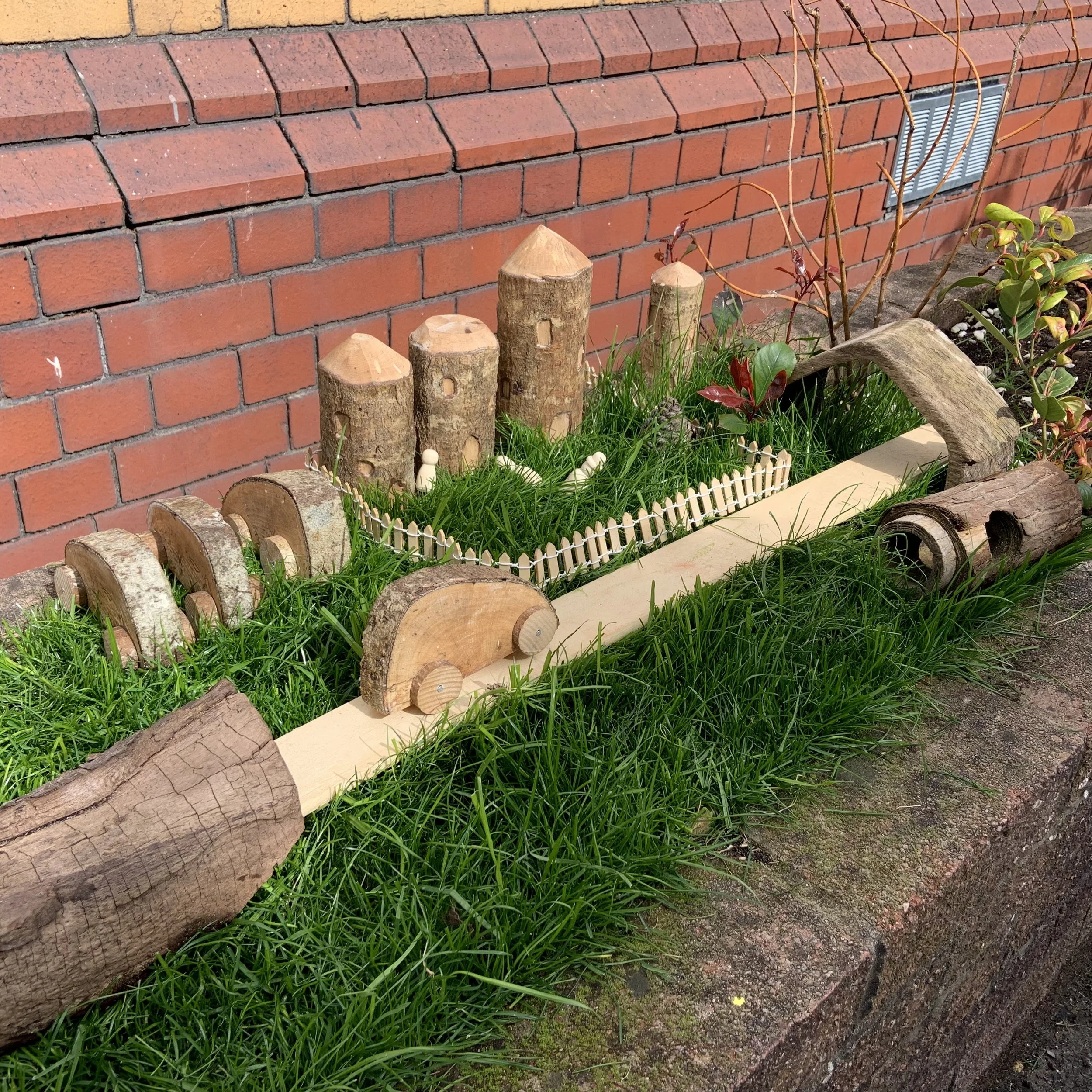
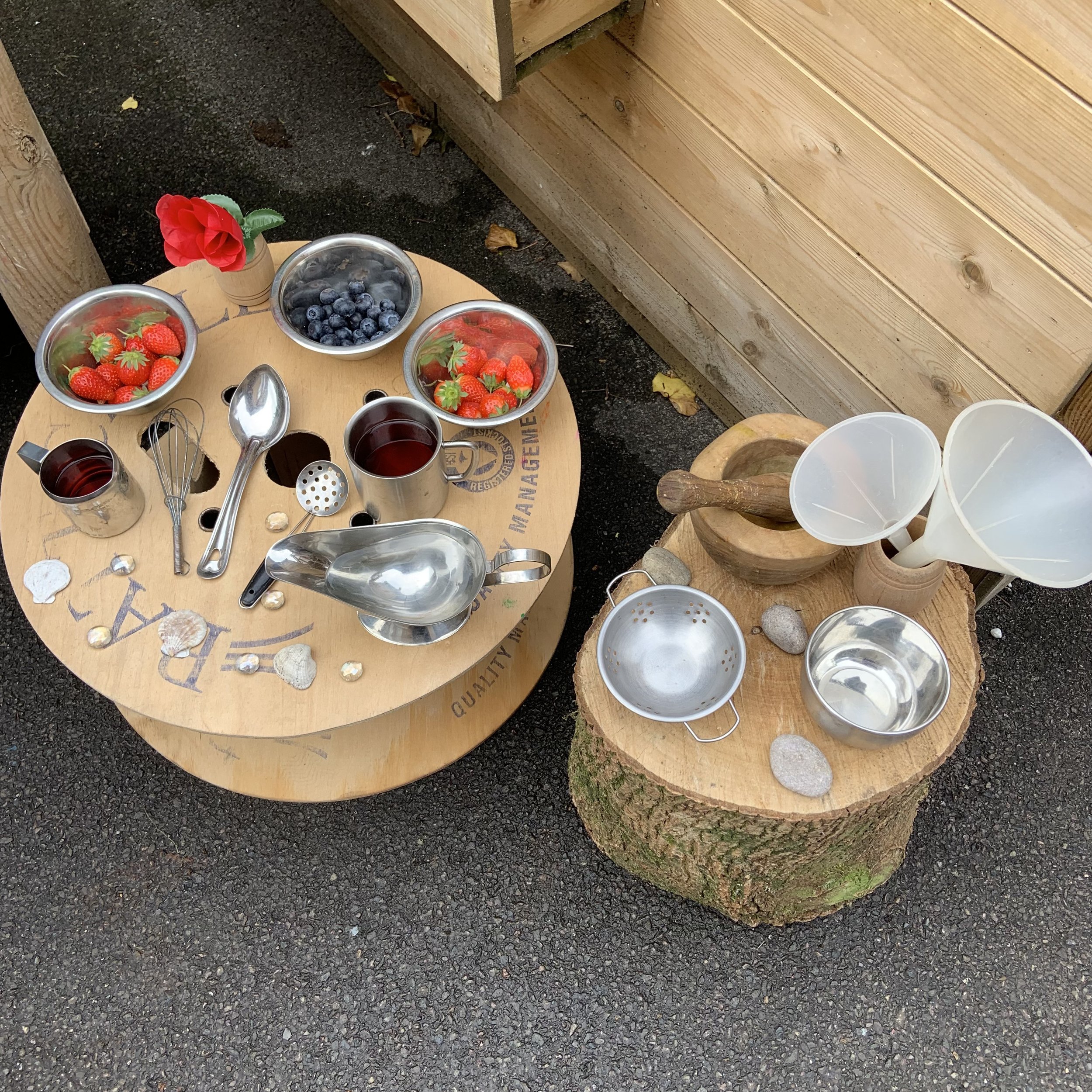
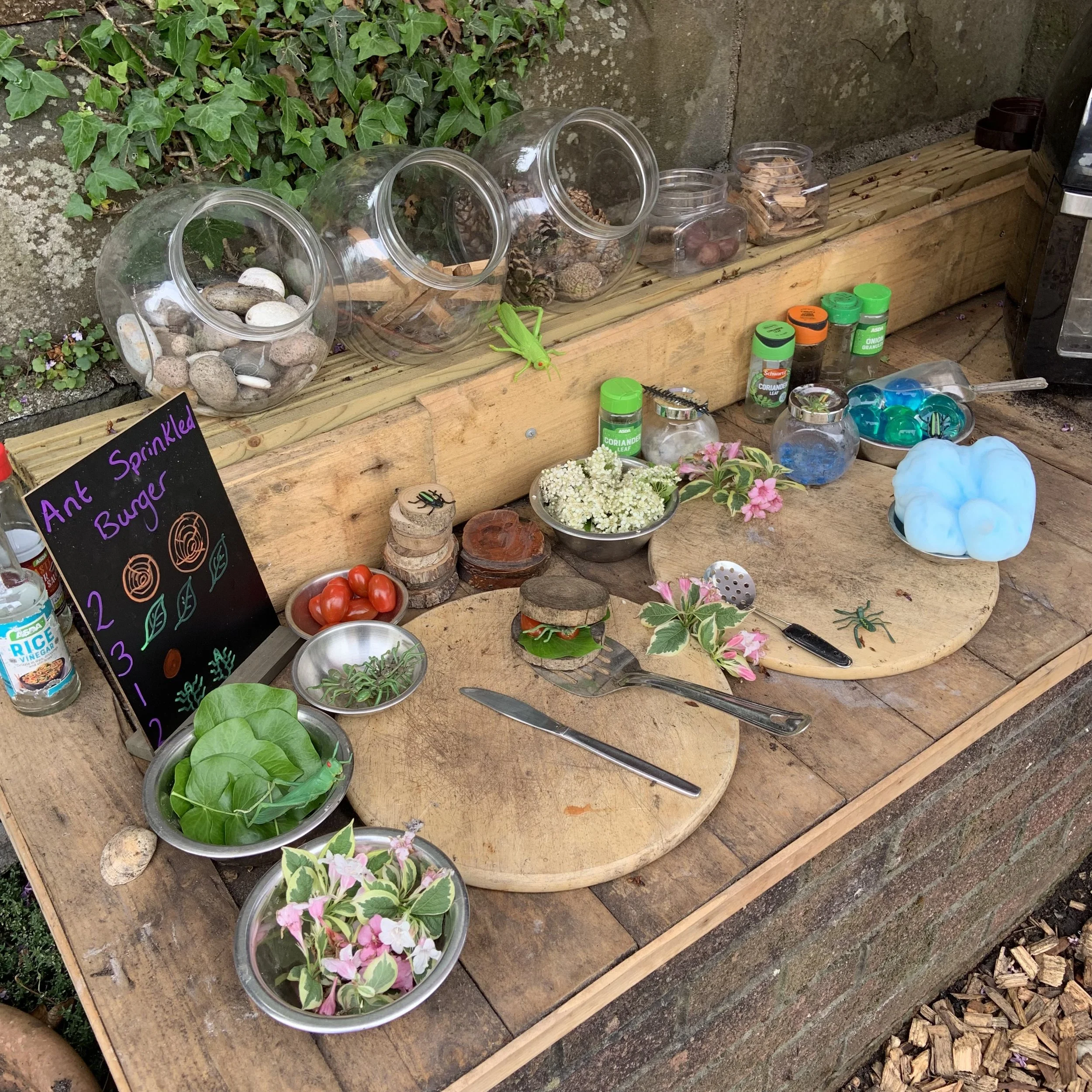
In the Early Years, outdoor learning is a key part of continuous provision, with fewer adult-led enhancements and greater opportunities for child-led exploration.
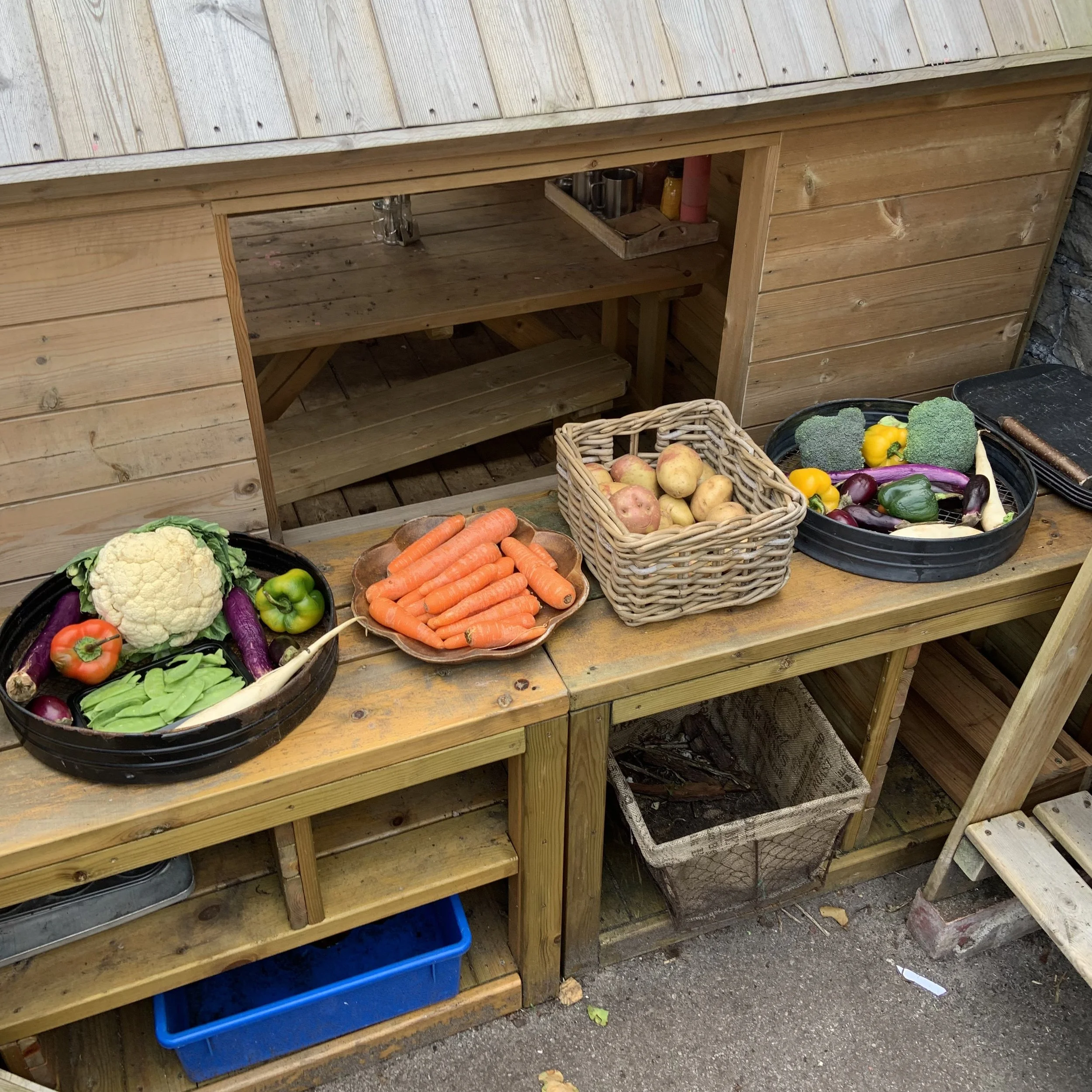
Effective outdoor environments are carefully designed around children’s schemas, interests and curiosity, allowing learning to develop naturally through play.
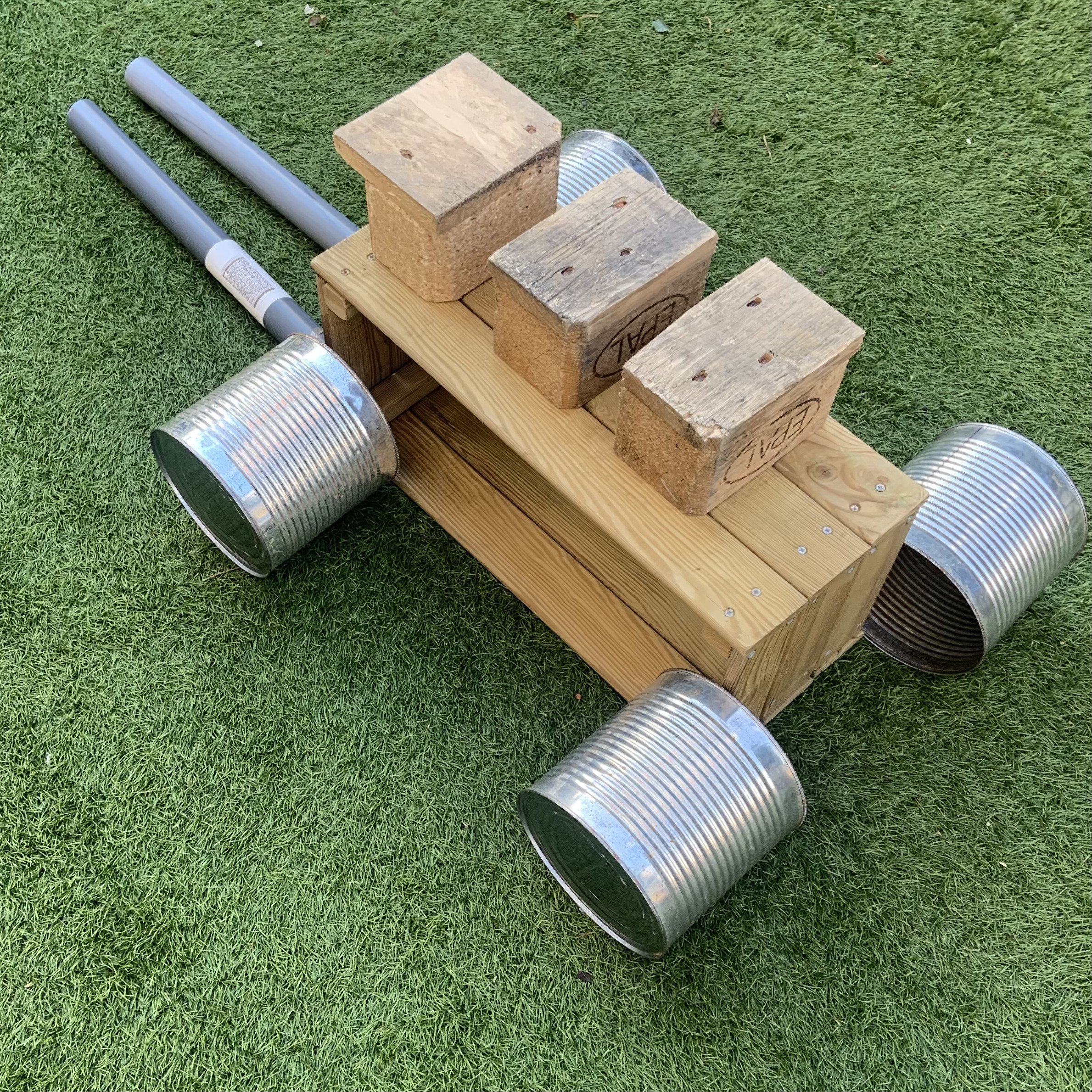
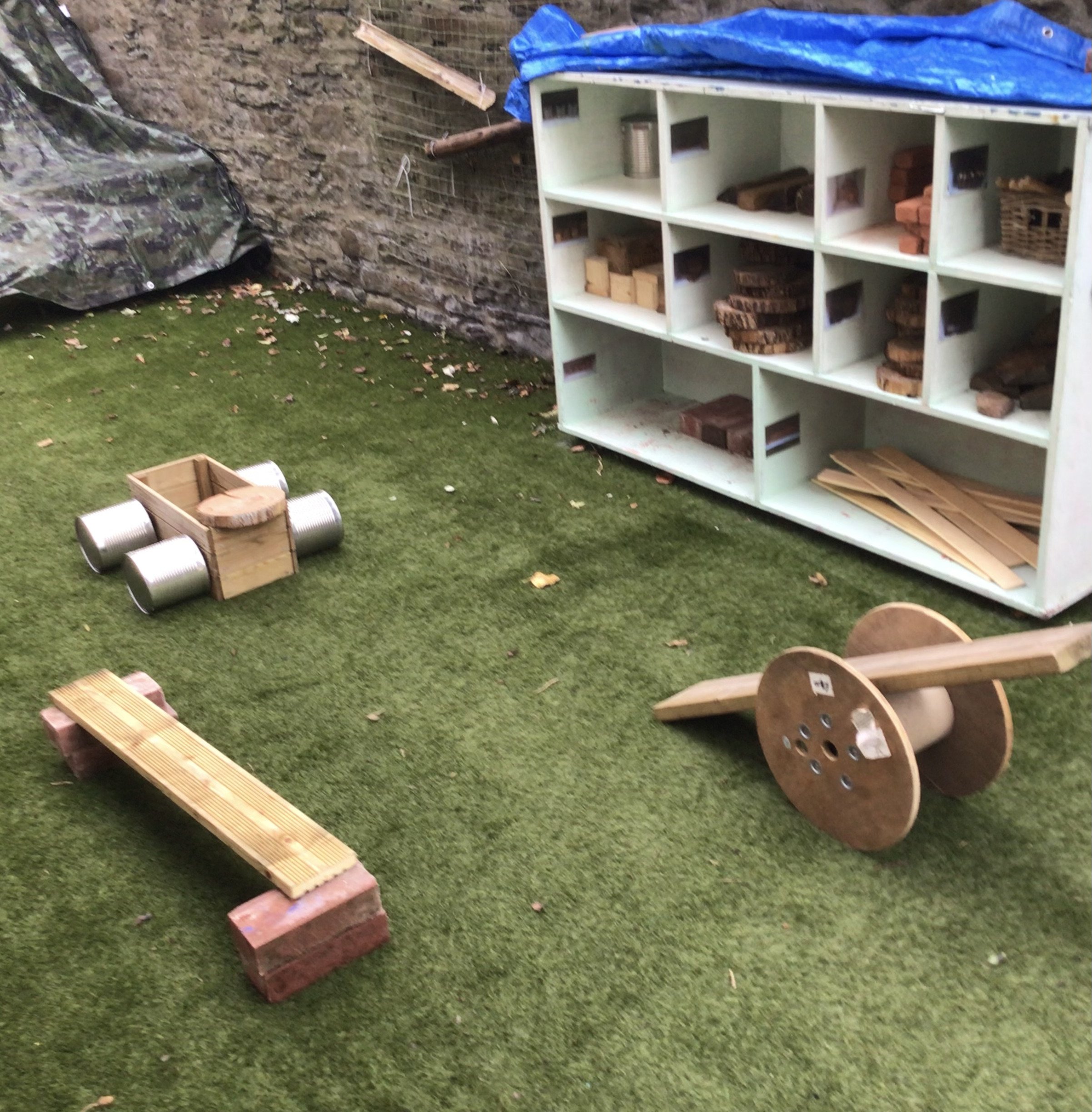
Large-scale experiences such as building, transporting, climbing and imaginative role-play support physical development, communication and creativity.

“Teaching children about the natural world should be seen as one of the most important events in their lives.”
— Thomas Berry
Storage
Creating an effective outdoor learning environment also comes with its challenges, particularly around resource storage and organisation.
Outdoor resources are often large-scale, open-ended and used across many areas of provision, making accessibility essential.
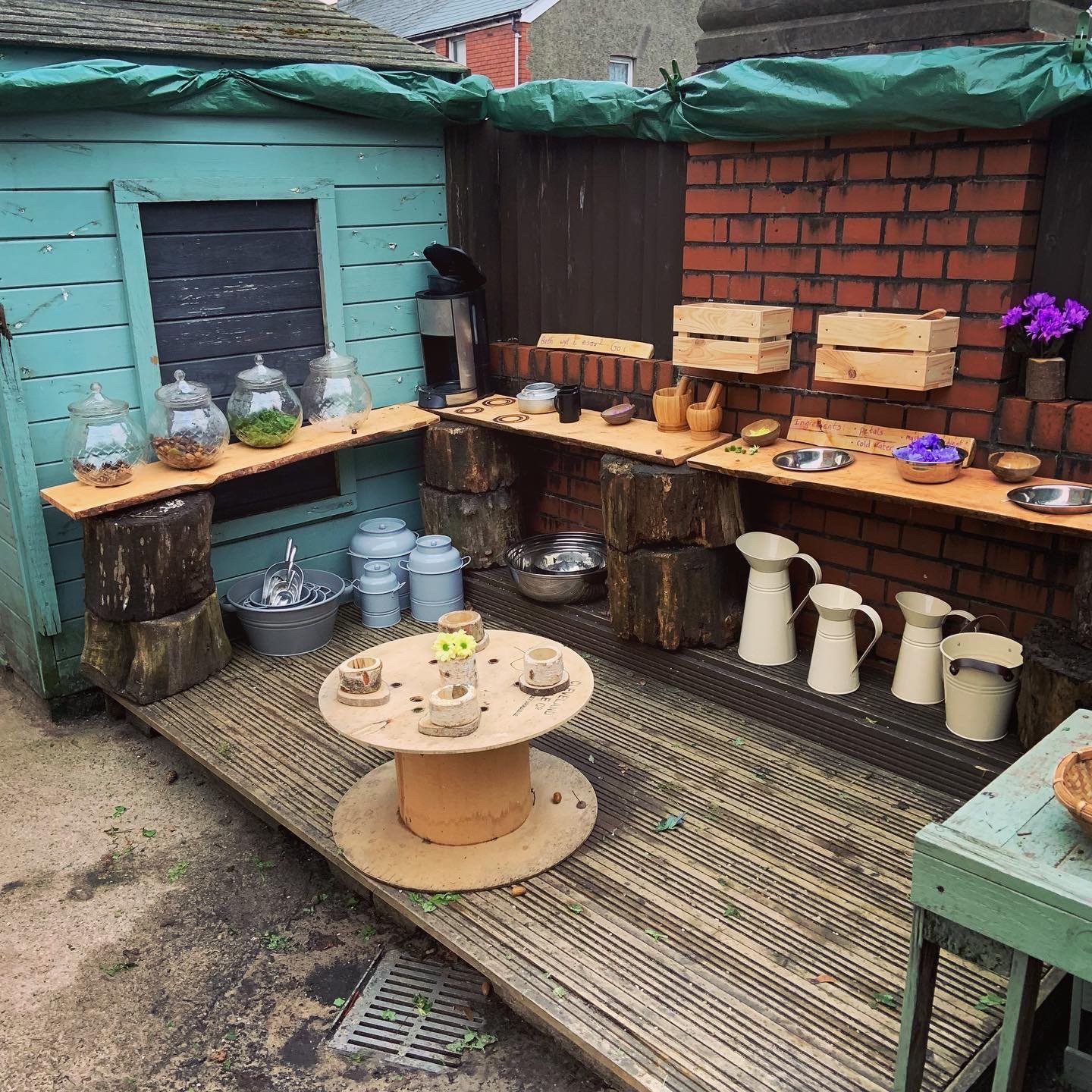
Successful outdoor environments use open shelving, accessible baskets and clearly organised spaces to allow children to independently select, transport and return resources.
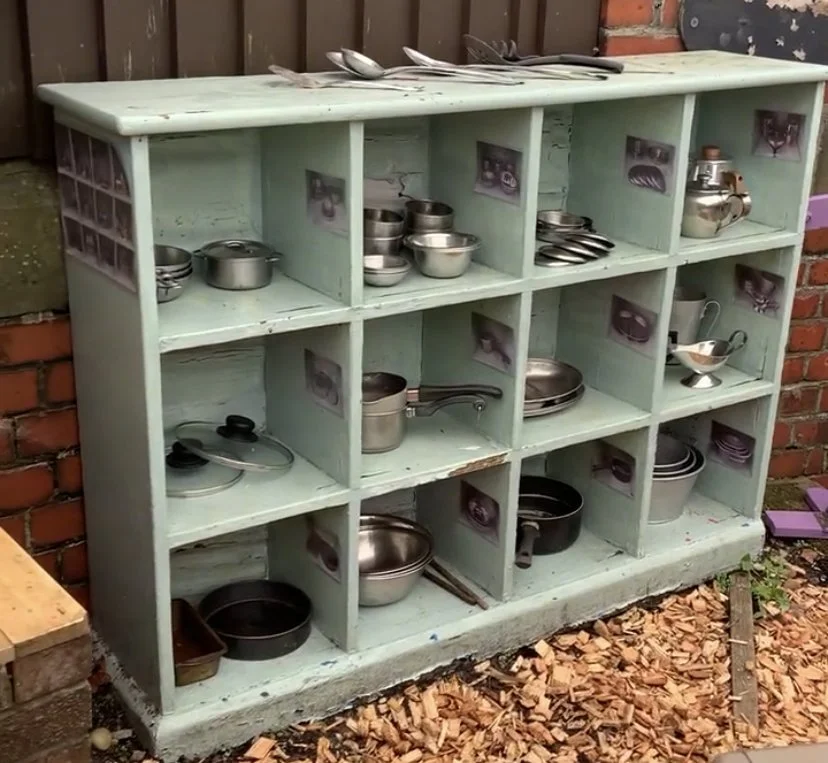
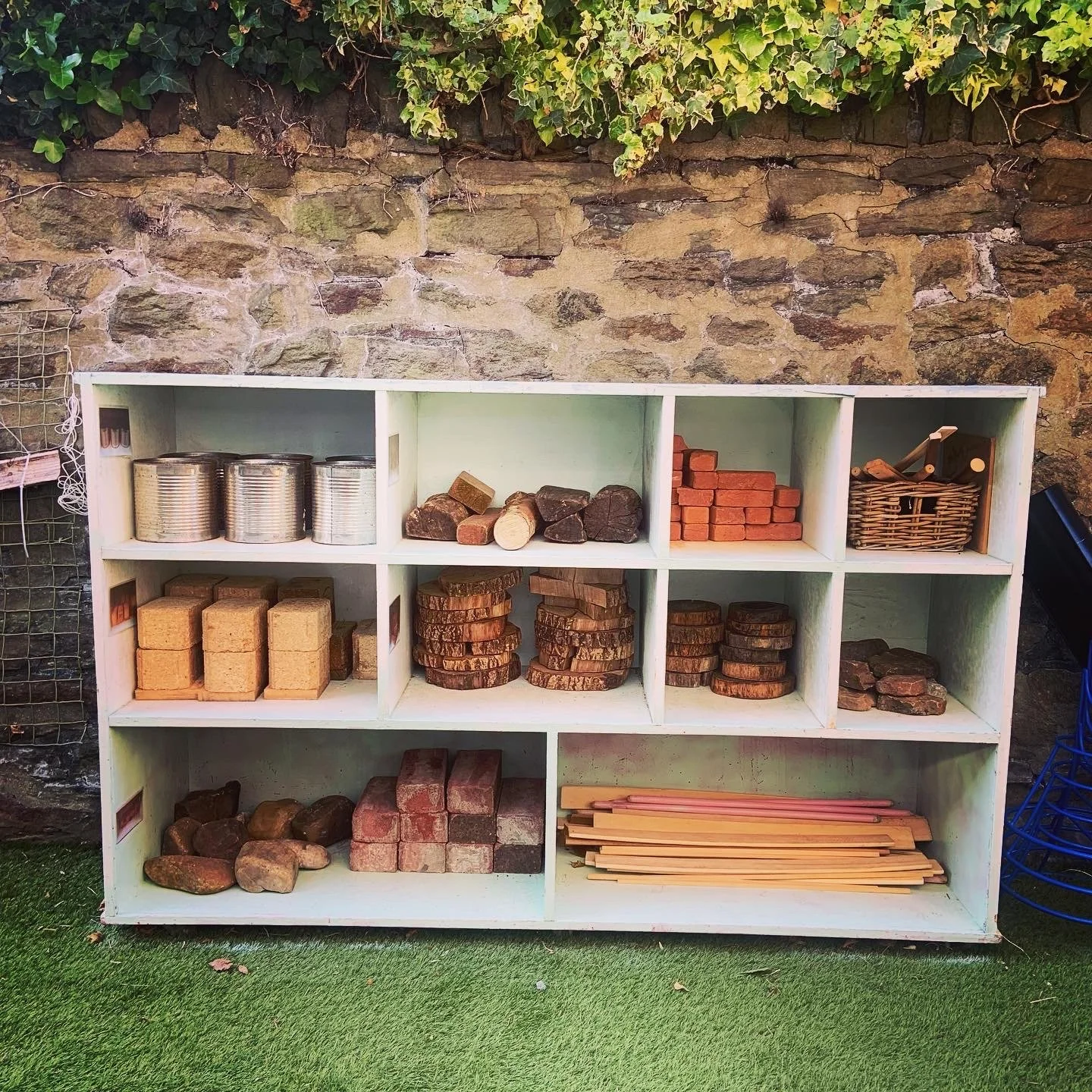
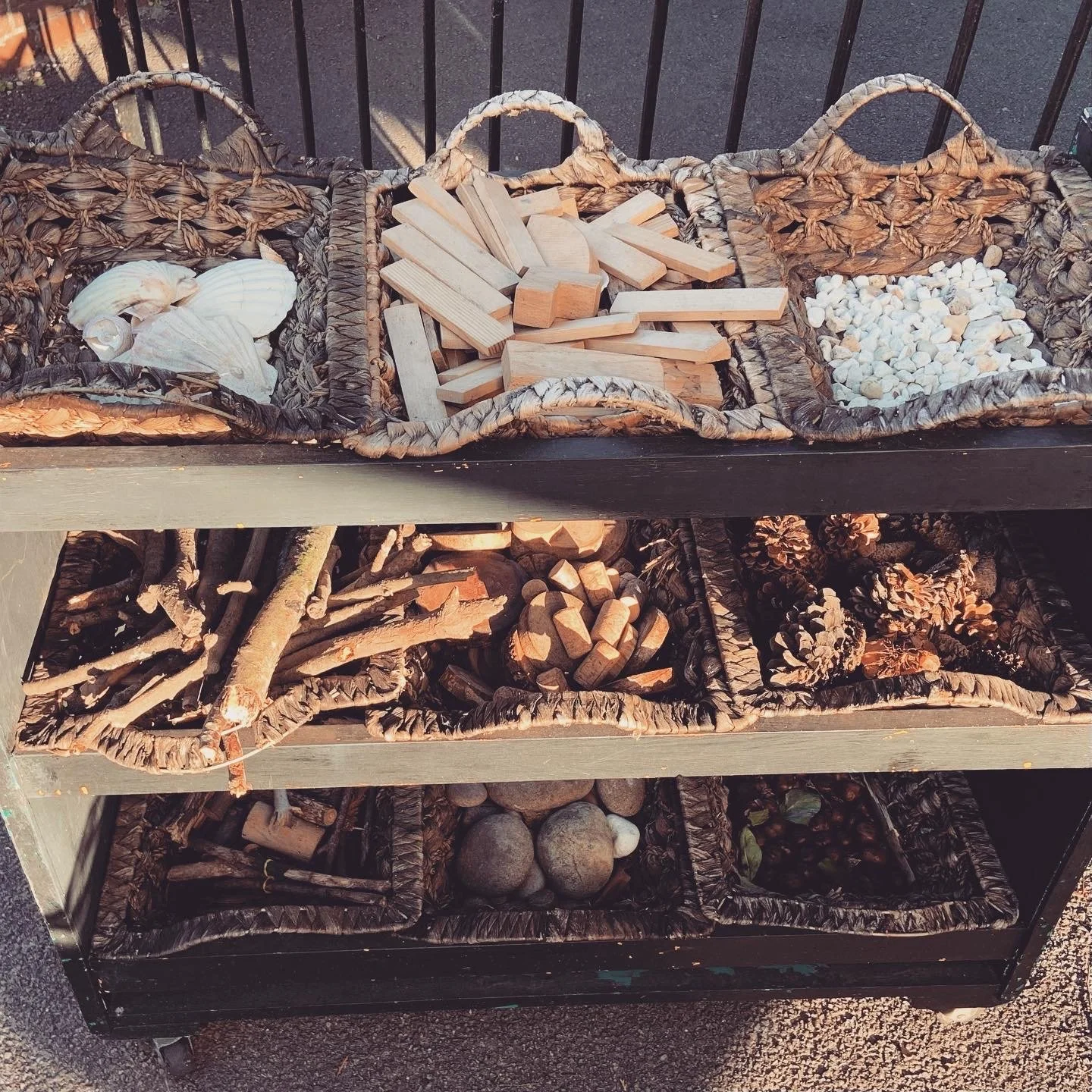
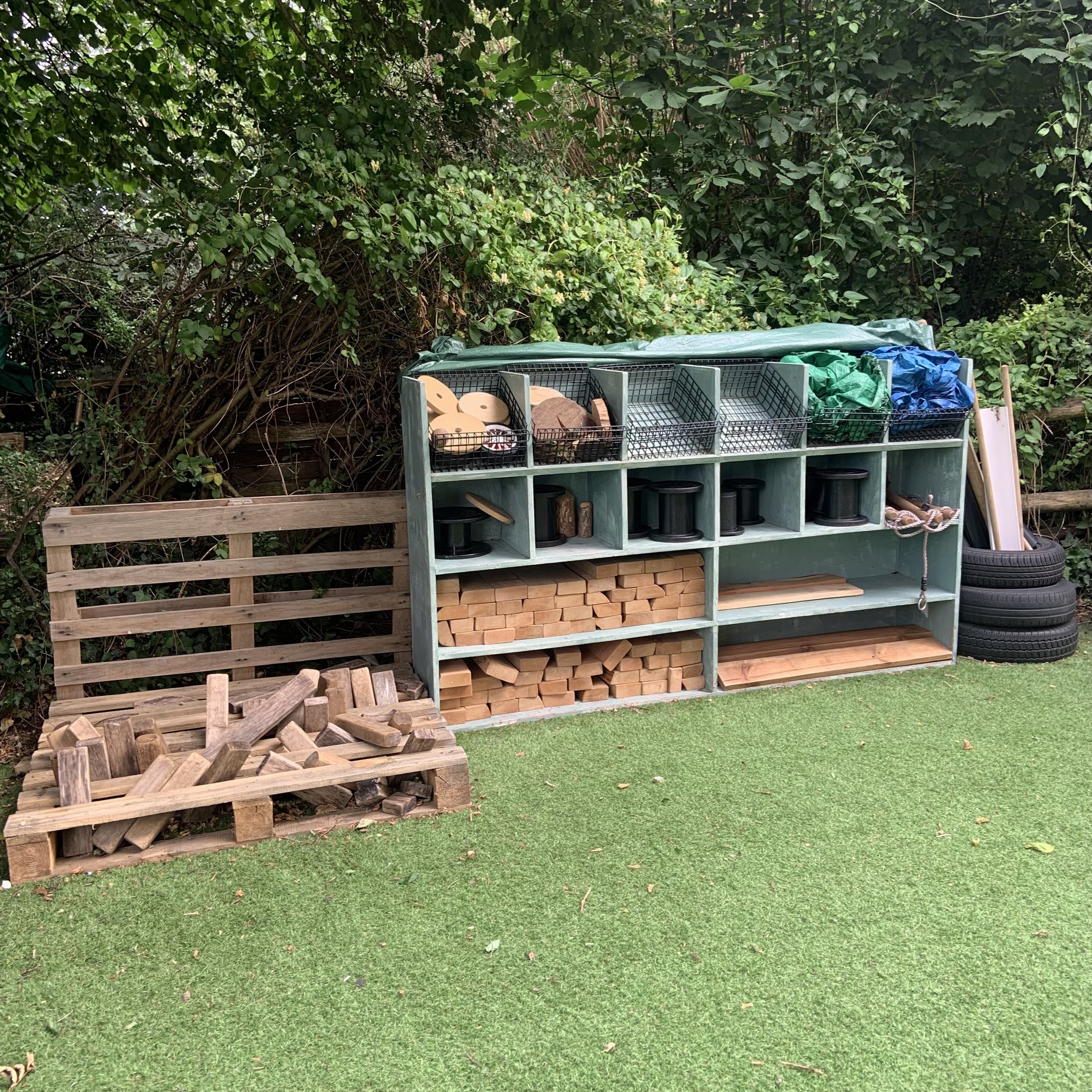
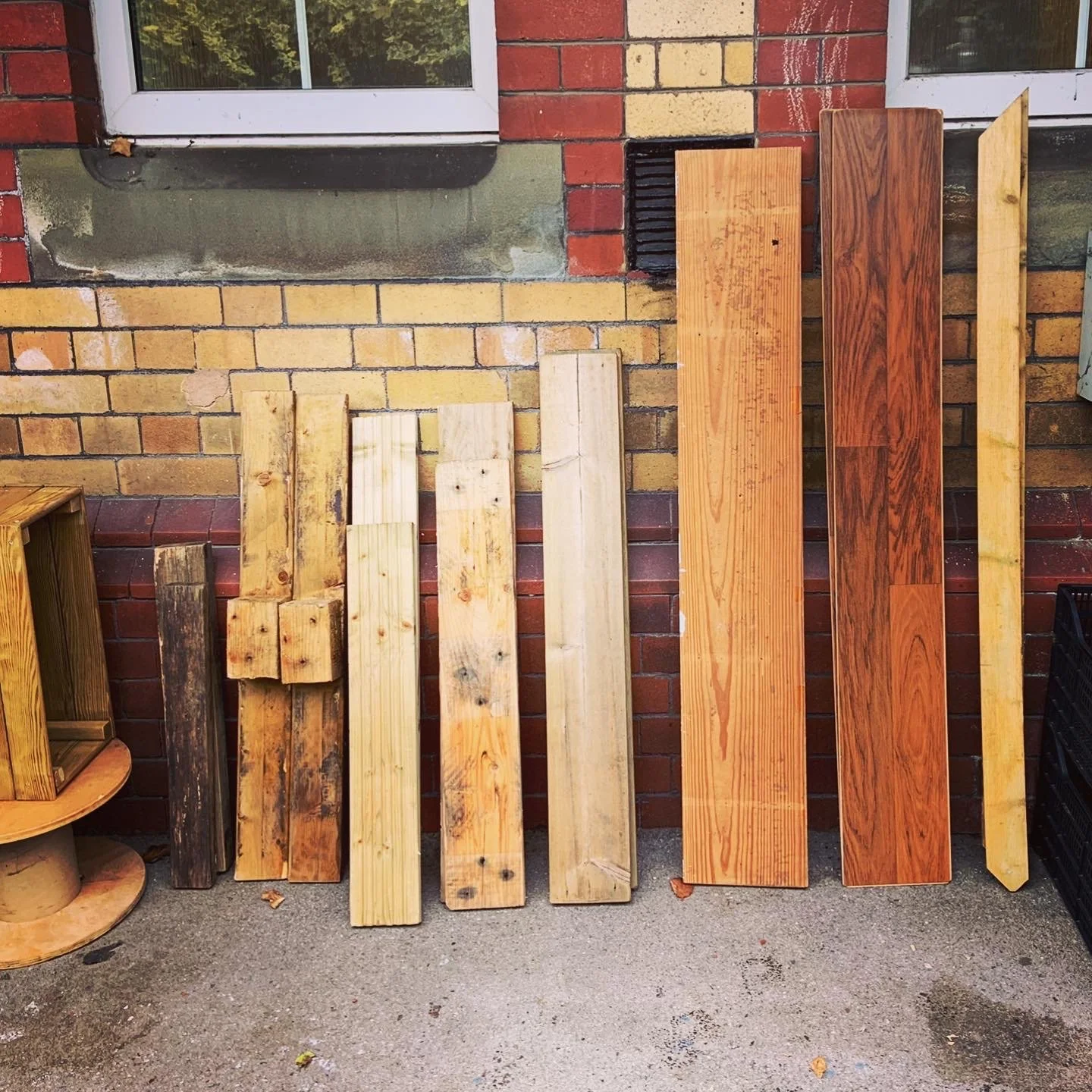
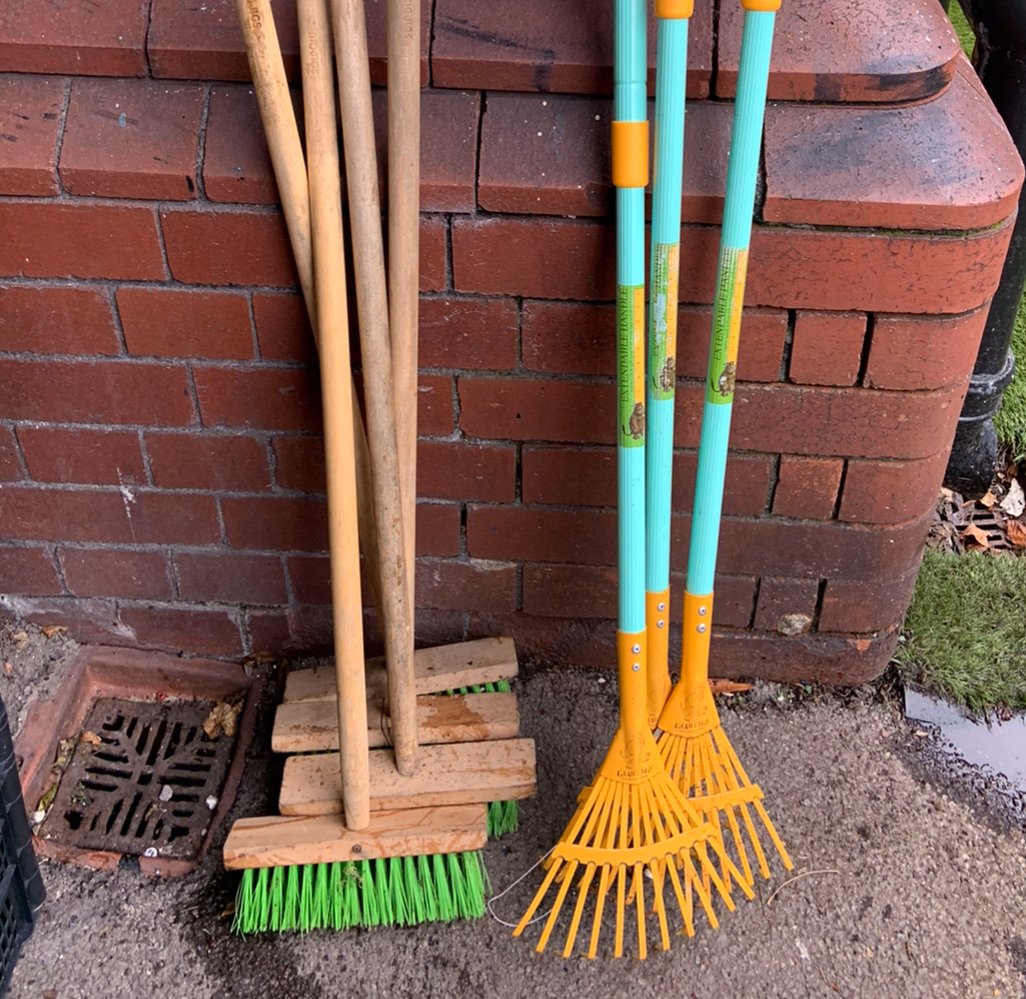
A successful outdoor environment must also be practical and manageable for staff.
Outdoor resources need protection from rain, wind and general wear, but storage systems should not become too time-consuming to maintain each day. Quick and efficient set-ups help ensure outdoor learning remains sustainable and accessible.
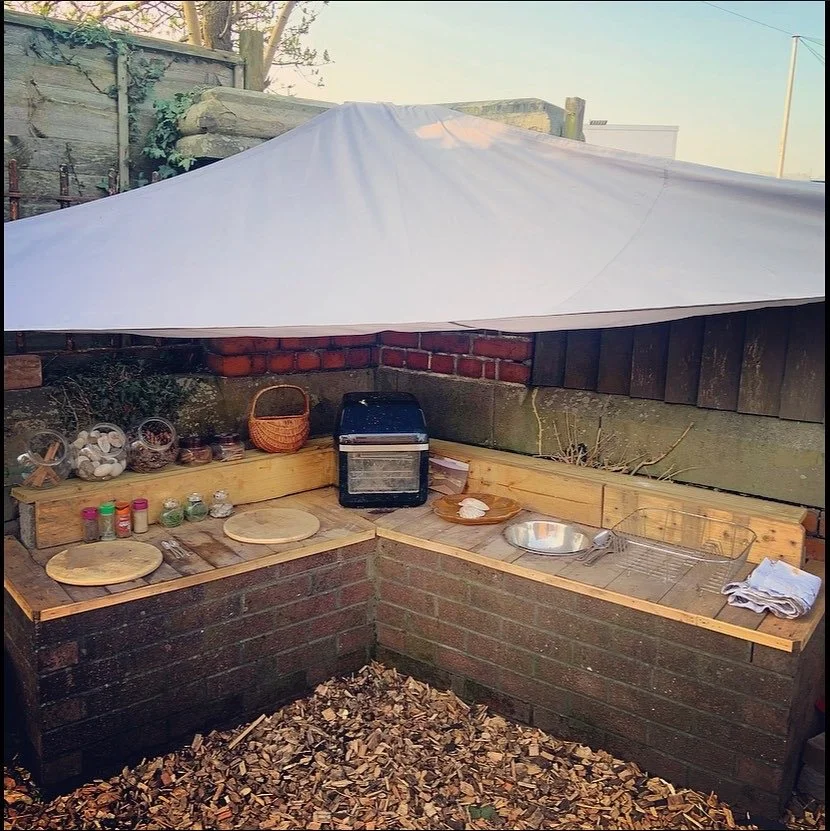
Protecting Resources from the Elements:
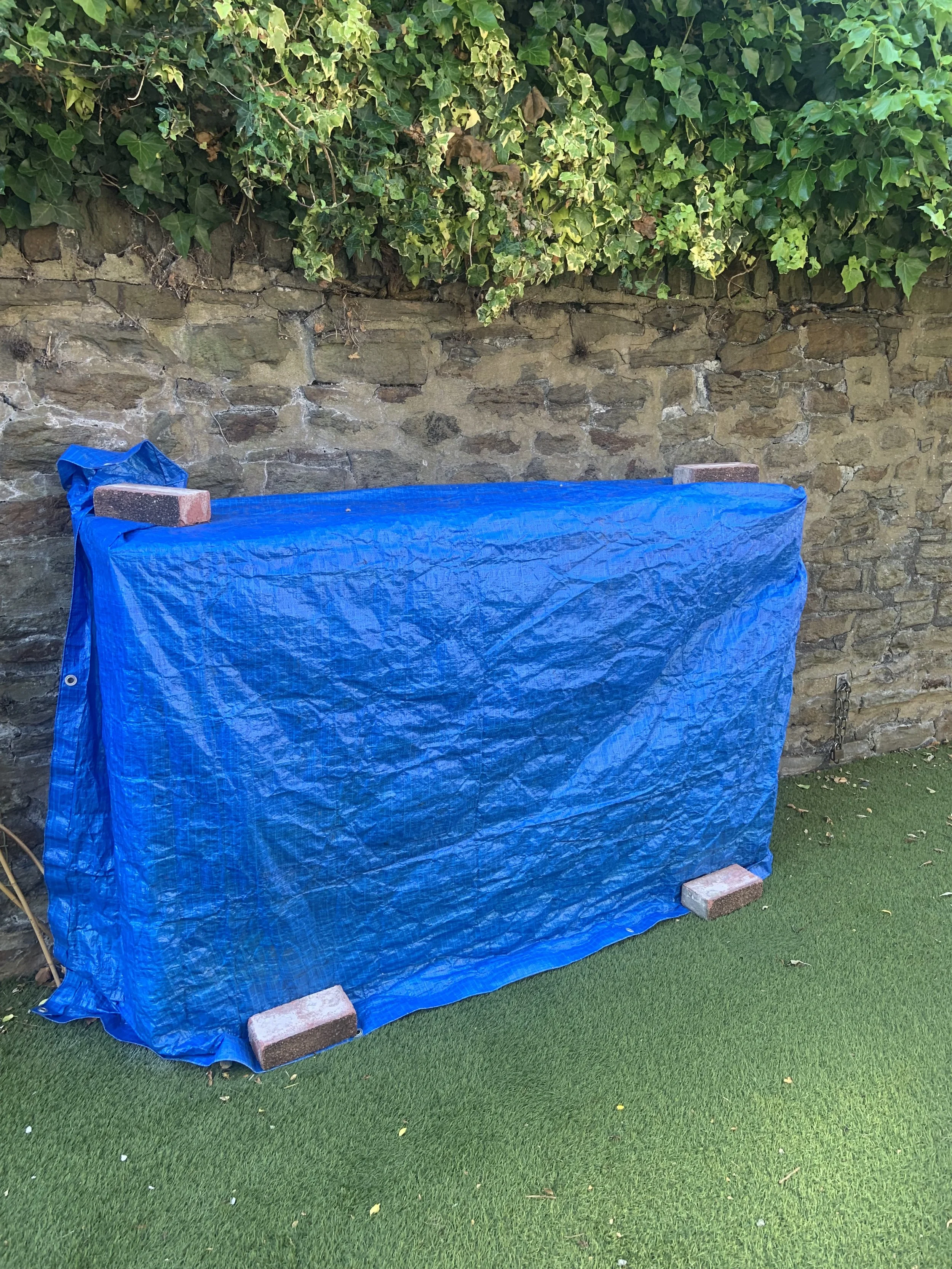
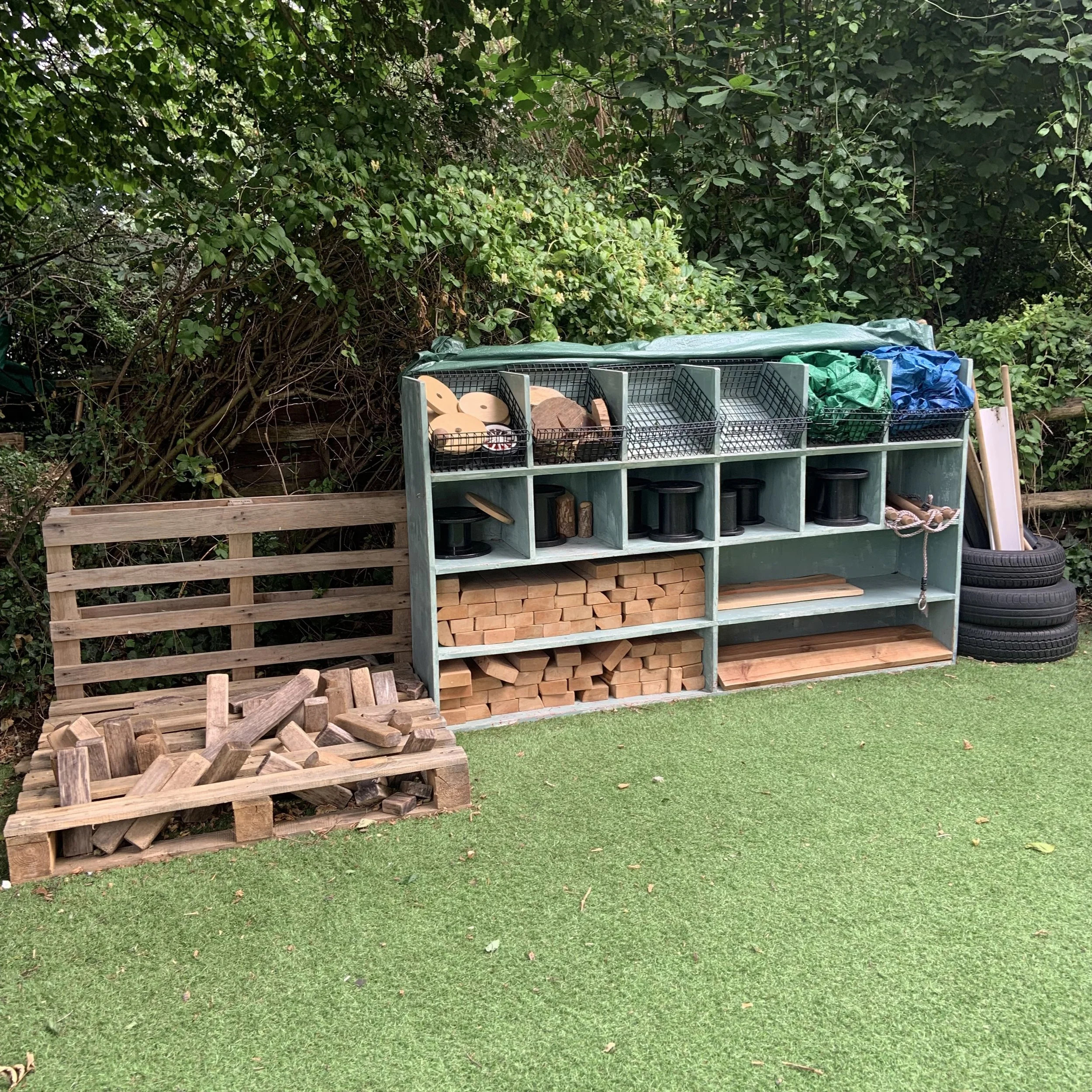
Simple solutions such as tarpaulins attached to shelving units or mud kitchens can help protect resources while still allowing easy access for children. Covers that can be quickly rolled down before bad weather and rolled back up ready for use help reduce daily workload and keep resources in good condition.
Open shelving, weather-resistant containers and organised storage areas also support independence while making set-up and tidy-up routines more efficient.
An effective outdoor environment balances practicality with accessibility, ensuring resources are protected, easy to maintain and always ready to inspire learning and exploration.